In 2025, Spain experienced a year when the familiar rhythm of life was disrupted by several major crises. At the start of summer, the country was hit by an unprecedented energy crisis: widespread power outages paralyzed transport, hospitals, and businesses. Millions were left without electricity and communications for long hours, and the aftermath was felt for weeks. Authorities rushed to introduce emergency measures to restore power, but public discontent kept growing.
At the same time, Spain faced its worst wildfire season on record. The fires destroyed thousands of hectares of forest, threatened dozens of towns, and forced hundreds of families to evacuate. Firefighters worked to their limits as smoke from the blazes reached even major cities. Environmentalists and locals voiced concern over the scale of the damage and the lack of preparedness for such disasters.
Political upheaval
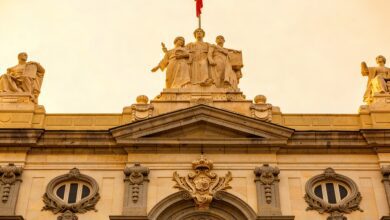
Amid natural and infrastructure disasters, Spain’s political scene was rocked by high-profile scandals. For the first time in modern history, a sitting member of parliament found himself behind bars. That lawmaker was José Luis Ábalos, whose detention sparked heated public debate and damaged the reputation of the ruling party. This was soon followed by the sentencing of Attorney General Álvaro García Ortiz, marking yet another unprecedented moment for Spain’s judicial system.
Other prominent figures were also in the spotlight: Santos Cerdán, Koldo García, Leire Díez, and Francisco Salazar. Their names dominated front pages as investigations and court cases fueled public interest. Tensions grew within the ruling party, while the opposition seized every opportunity to criticize the government and Prime Minister Pedro Sánchez personally.
Economy and Housing
Despite political and natural crises, Spain’s economy showed steady growth. However, this growth brought new challenges for the population. The surge in housing costs was especially acute: prices for apartments and houses hit historic highs, making home ownership nearly unattainable for many families. The rental market also came under strain, and more young people postponed plans for independent living.
Experts noted that economic growth did not always lead to better quality of life. Rising prices for food, energy, and services forced families to rework their budgets. At the same time, unemployment remained relatively low, and the country’s export performance improved, giving entrepreneurs cautious grounds for optimism.
Public Response
The events of 2025 sparked widespread public response. Citizens actively discussed current developments on social media, organized rallies, and demanded transparency and accountability from authorities. Major cities like Madrid and Barcelona saw mass protests against corruption and government inefficiency. Many called for reforms in the energy sector and stricter measures to prevent natural disasters.
At the same time, Spanish society showed solidarity: volunteers assisted those affected by the fires, and charitable organizations raised funds to rebuild destroyed homes. Despite the difficulties, people throughout the country supported one another and remained hopeful for a better future.