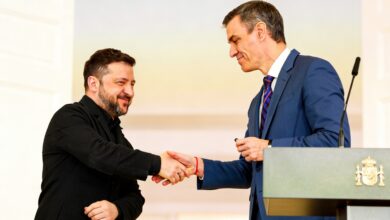
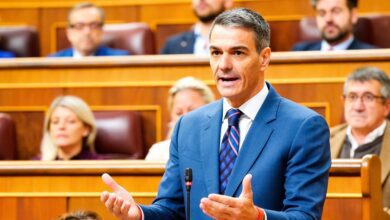
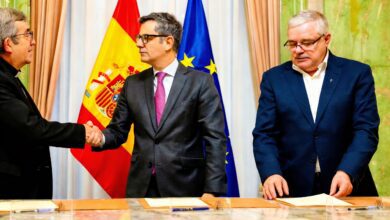
A new shift is emerging in Spain’s political landscape: Madrid and Berlin have agreed to begin talks that could lead to the recognition of Catalan, Basque, and Galician as official languages within European Union institutions. This move comes in response to growing pressure from the Junts party, which insists on honoring previous agreements and is threatening to withdraw support from the government.
In recent months, relations between the Spanish cabinet and German authorities have noticeably improved. Although Germany had been the main opponent of the initiative, both sides are now ready for dialogue. The Spanish Prime Minister and the German Chancellor (Friedrich Merz) have agreed on the need to seek a joint solution acceptable to all EU member states. In the near future, Madrid will prepare a draft document to be discussed at the General Affairs Council, with the foreign ministries of both countries leading the negotiations.
The situation is complicated by internal political disagreements. Junts is preparing for an important meeting where it will determine its further strategy regarding the Socialists. Party members openly express disappointment with the slow progress on the language issue and are considering ending their support for the government. At the same time, the Spanish leader emphasizes that everything possible is being done to fulfill commitments, though the decision does not depend solely on Madrid.
Attempts to grant official status to regional languages in the EU have been made before, but each time they encountered legal and political obstacles. In May last year, the issue was put to a vote, but discussion was postponed due to concerns from several countries, including Germany and Italy. The EU’s legal services also raised doubts, pointing to the need for amendments to existing treaties. The topic was revisited in July, but without concrete results.
Now, with Spain and Germany ready for bilateral dialogue, there is a chance to break the deadlock. However, many challenges remain: it will be necessary to convince the other member states and find a legally sound solution. For Madrid, this is not only a matter of national identity, but also key to maintaining political stability amid pressure from regional parties.