
All news
22517 news
The cost of joining a gym in Spain: prices and no-commitment options
Gym memberships in Spain can start from around €20 a month, but prices, billing cycles and minimum-term commitments vary widely. Here’s what to check before signing up and how the main low-cost gym chains compare.

Mercadona's market share stalls as inflation and fuel costs reshape Spanish supermarkets
Mercadona's market share has stopped growing as inflation and rising fuel prices push shoppers toward discount chains. With government subsidies set to expire, Spanish households face more uncertainty.

Spanish inflation hits 18-month high as fuel prices surge
Spain's inflation rate climbed to 4.3% in August, the highest since February 2023. Fuel prices led the increase, pushing up household expenses for the second month in a row. The government is keeping tax relief measures in place as families feel the strain.

Oasis limits Barcelona concert tickets to lottery registration
Oasis will play two exclusive shows in Barcelona in July 2026. Tickets are only available through advance registration and a lottery system, with prices up to 255 euros. The process is tightly controlled and limited.

Catalan government excludes Vox and Aliança from education reform talks
Catalonia’s government will leave Vox and Aliança Catalana out of upcoming education reform talks, arguing these parties disrupt consensus and offer no solutions. The move draws a clear line in the region’s political debate.

Public sector job race intensifies as only ten days to apply for key posts
Fifty-six public sector jobs have just been announced in Spain, but nearly half are reserved for internal promotions. For those seeking open access roles, the window to apply is as short as ten days in some towns. The competition is fierce and the process fragmented.

Goldcar Ordered to Raise Wages and Pay Backdated Salaries
Goldcar Spain must increase base pay for hundreds of employees and issue back payments dating from January 2026. The new collective agreement, now in force, specifies exact salaries for each role and extends protections through 2027. Staff are encouraged to check payslips for correct back payments.

Volkswagen reveals electric XL1-inspired prototype that won't reach showrooms
Volkswagen has introduced a radical electric prototype based on the XL1, built for extreme efficiency but never intended for sale. The Mission Efficiency concept focuses on advanced aerodynamics and lightweight construction, with its innovations set to influence future production cars.
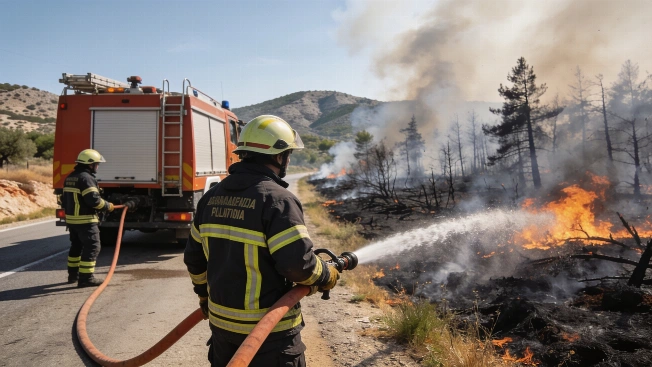
Forest fire near Bilbao airport contained without affecting flights
A forest fire broke out near Bilbao airport but was quickly brought under control. Fire crews from three stations worked through the night, and airport activity continued as normal. No injuries or damage were reported.

Internal Split Rocks Spain's Judicial Council Over Alleged Political Influence
A senior member of Spain's Judicial Council has accused colleagues of putting government interests ahead of judicial independence, exposing deep divisions and raising concerns about political interference in the justice system.

Unexpected fashion risks dominate the Emmy Awards red carpet
The Emmy Awards red carpet in Los Angeles saw stars abandon safe choices. Striking colors and daring cuts from Louis Vuitton, Prada, and Chanel redefined the evening. Unexpected pairings and standout looks drew attention away from tradition.

La maldición de Widow’s Bay sweeps Emmy Awards with record wins
La maldición de Widow’s Bay claimed 14 Emmy Awards in Los Angeles. The series outperformed established favorites and took best comedy. Mariska Hargitay hosted a ceremony marked by surprises and emotional moments.

Widow’s Bay dominates Emmys as Matthew Rhys and Jean Smart make history
Widow’s Bay took home 14 Emmys in 2026, with Matthew Rhys and Jean Smart setting new records in lead acting categories. The Pitt and DTF St Louis also earned major wins, while several big-name shows left empty-handed.
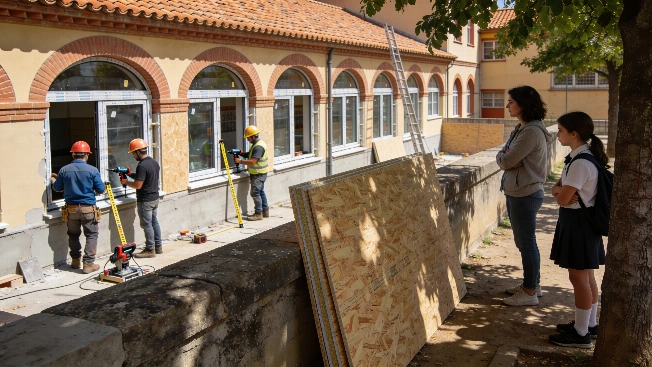
Catalonia launches five-year plan to climate-proof all public schools
Catalonia will invest 2.5 billion euros to modernize every public school by 2031. The first 100 schools will see air conditioning or insulation upgrades. The plan aims to address teacher unrest and aging infrastructure.

Ultra-right parties gain ground in Catalonia
Ultra-right parties are gaining ground in Catalonia. The rise of Vox and Aliança Catalana is reshaping the political landscape. Traditional parties struggle to respond as new leaders exploit public frustration.
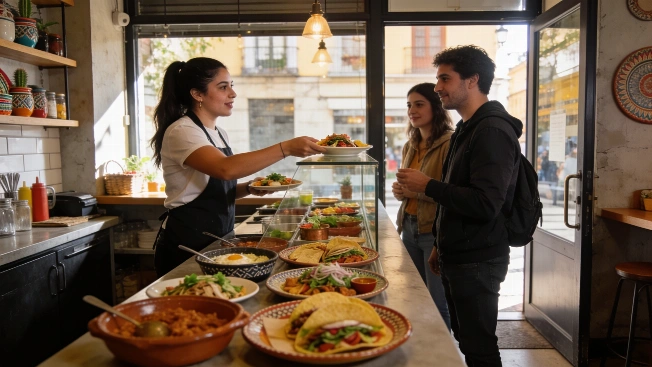
Mexican restaurants reshape Madrid with a surge in authentic cuisine
Madrid now hosts 187 Mexican restaurants as the local Mexican community doubles in a decade. Authentic cuisine and investment are changing the city's gastronomic landscape. The Copil seal sets a new standard for quality and tradition.

Aragón’s new extracurricular rules spark resistance from schools
After a student died on a school trip, Aragón introduced Spain’s first law on extracurricular activities. School leaders and unions say the measure falls short and leaves teachers exposed. The future of trips and activities is now in doubt.

PP takes Ceuta migrant crisis to Brussels to pressure Sánchez
The Partido Popular is using the Ceuta crisis to challenge the government at the European level. Feijóo and his allies are pushing for tougher action, exposing sharp divisions over migration policy as pressure mounts on Sánchez.

Valencia families demand answers after 232 die in 29-0 DANA floods
The documentary 29-0 DANA reveals the pain and outrage of families who lost loved ones in the 2024 Valencia floods. Director Juanjo Castro uses official records and raw testimony to challenge the political narrative. The film reignites calls for accountability.
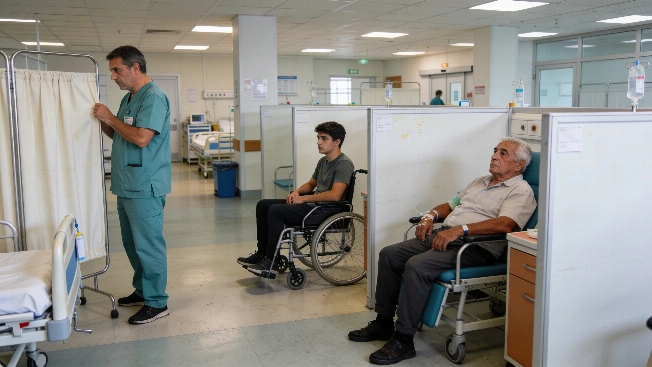
Madrid Hospital Downgraded Patient Priority to Meet Surgery Targets
Leaked documents show that Ramón y Cajal Hospital in Madrid lowered patient priority without consulting surgeons to meet productivity quotas. The move delayed urgent surgeries for dozens and led to internal disciplinary action.

Telecinco Pushes Back ¡De Viernes! as First Dates Takes Over Friday Nights
Telecinco moves First Dates into Friday's early evening slot, delaying ¡De Viernes! and shortening its airtime. The change comes as Antena 3 brings back La Voz, raising the stakes for Friday night ratings.

My Sweet Lie episode sparks new doubts about Suna's identity
A pivotal episode of My Sweet Lie is now streaming on Mediaset Infinity. Hande's visit to Dogan's house puts Suna's secret in jeopardy, raising the tension in the Turkish drama as daily episodes continue to reveal new twists.
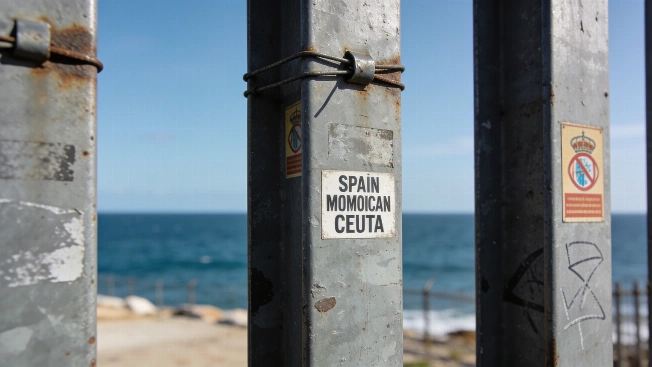
Sánchez stands firm on Morocco policy as Ceuta crisis deepens government’s isolation
Pedro Sánchez insists on cooperation with Morocco during the Ceuta migrant crisis. The government sets a year-end target for stability. Opposition and public opinion remain unconvinced by Madrid’s approach.

Hande threatens Suna after uncovering her secret in My Sweet Lie
Hande exposes Suna’s true identity and prepares to use it against her. The new episode of My Sweet Lie arrives exclusively on Mediaset Infinity. Tensions escalate as Suna faces a critical decision.

Social Security opens 1,510 new jobs—most don’t require a university degree
Spain’s Social Security is offering 1,510 open-access jobs in 2026, with 1,100 roles available to those holding only a Bachiller or Técnico qualification. Just 23 annual grants of 8,400 euros will support select candidates preparing for higher-level exams.

easyJet pilots in Spain secure record annual leave under new deal
easyJet pilots working in Spain will now receive 144 guaranteed free days plus 30 days of vacation each year. The new collective agreement, officially published in the BOE, separates rest days from vacation and introduces stricter rules for seasonal contracts and alternative shifts.

Pedro Sánchez Dodges Ceuta Crisis Questions on El Intermedio
Pedro Sánchez appeared on El Intermedio as the Ceuta border crisis dominated headlines. The prime minister avoided direct answers on Morocco and migration, drawing criticism for his cautious approach as public pressure grows.
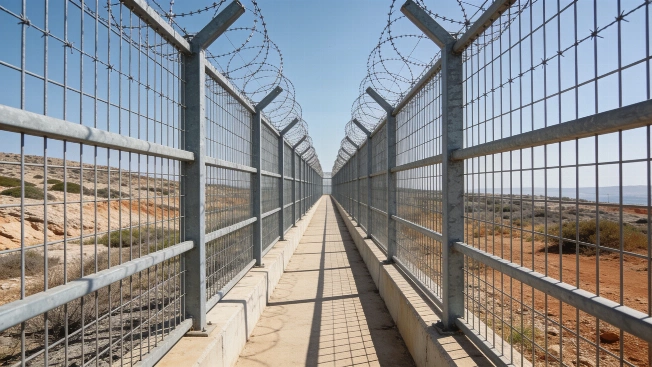
Ceuta leader blames Morocco for border crisis, criticizes Madrid's response
Ceuta’s president has called the recent border incident an invasion, accusing Morocco of using migrants as leverage and Spain’s government of failing to act. The fallout exposes deep rifts over border control and national security.

Telecinco pushes De Viernes later as First Dates moves to Friday prime time
Telecinco will now air First Dates on Fridays in access prime time. This move pushes De Viernes to a later start and shortens its runtime. The change marks a significant shift in the channel’s Friday night programming.
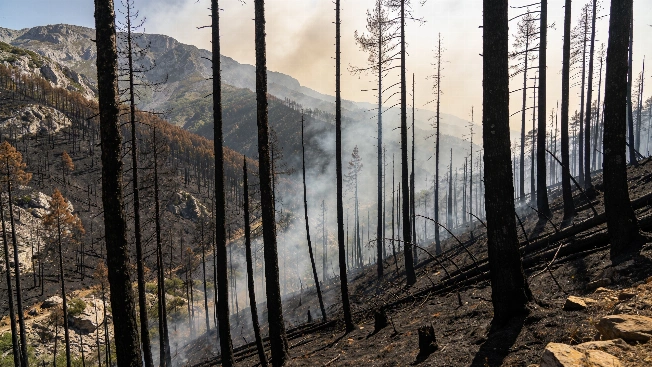
Wildfire Near Derio Sparks Emergency Response Close to Loiu Airport
A wildfire broke out Monday evening in Derio, close to Loiu Airport. Firefighters from three stations worked to contain the blaze, which started in pampas grass and was closely watched due to its location near major transport links.

Firefighters contain wildfire near Bilbao airport as flames approach key area
A wildfire broke out near Bilbao airport late Monday. Fire crews from three stations are working to contain the flames. The lack of wind is slowing the spread, but the situation remains tense.

Juan Vivas addresses Ceuta crisis on El Hormiguero
Juan Vivas appeared on El Hormiguero to confront the aftermath of the recent border breach in Ceuta. The president delivered a pointed message of gratitude and unity. His intervention comes as the city faces ongoing migration pressure.

Cayetano Rivera steps away from family feud to focus on art
After a public dispute with his brother Fran, Cayetano Rivera has withdrawn from the spotlight. He now spends his time painting and with family, steering clear of further comment on the Goyesca controversy. His silence marks a shift in the Rivera family dynamic.

Forgiveness and Remorse Collide in Salvados Meeting After ETA Tragedy
Fernando Garrido met Josemi Latasa, one of the men involved in his family's murder by ETA, in a private conversation arranged by Salvados. The meeting, held without cameras, exposed the raw complexity of forgiveness and regret.

Jesús Castro reunites with Camila Canto after public split
Jesús Castro confirms he is back with Camila Canto after their breakup. The actor reveals why she remains in Mexico and how fatherhood has changed his priorities. His career and personal life now move in new directions.
Page 1 by 20