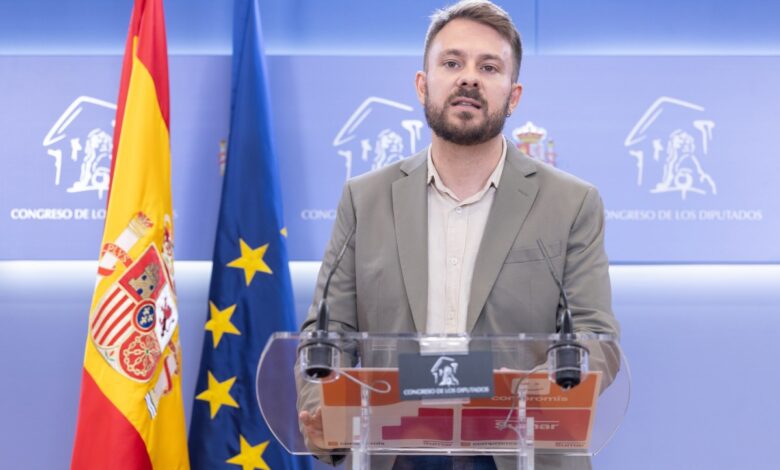
An initiative has been introduced in the lower house of the Spanish parliament aimed at imposing an additional tax on real estate transactions carried out within a short timeframe. Alberto Ibañez, a Compromís deputy who is part of the Sumar coalition, proposed a 25% levy on the sale of properties if less than two years have passed since their purchase.
According to the initiators, this measure is necessary to combat so-called “flipping”—a practice in which apartments are bought for the purpose of quick resale at a higher price. Such transactions often involve no significant improvements to the property, limited instead to minor cosmetic repairs or slight increases in energy efficiency.
The deputy stresses that this practice negatively affects housing affordability for the population. Speculative operations, he says, drive up the price per square meter and make it more difficult for those who truly need a home to purchase property.
The document, submitted for discussion in the Housing and Urban Agenda Committee, notes that similar measures have already been implemented in certain foreign jurisdictions. For example, the Canadian province of British Columbia has introduced a special tax aimed at restricting short-term property ownership for profit.
The initiative includes a number of exceptions. Specifically, the tax will not apply in cases where the sale of property is due to the need to improve living conditions, changes in family composition, or the health status of the owner. In this way, the authors of the proposal aim to avoid affecting those who are forced to sell their property for legitimate reasons.
Overall, the proposed tax is seen as a tool to curb speculative behavior in the market and enhance the social function of housing. If approved, this measure could become part of a broader reform aimed at ensuring fair access to real estate for all segments of the population.