Spain is at the center of a scandal over the condition of its public dams. The Ministry for Ecological Transition (Ministerio para la Transición Ecológica) has officially admitted that monitoring systems and sensors responsible for the safety of hundreds of hydraulic structures have been neglected for years. As a result, very little is currently known about the foundations and internal structure of many dams. The authorities have decided to act urgently, announcing the launch of a pilot program to upgrade equipment at ten sites.
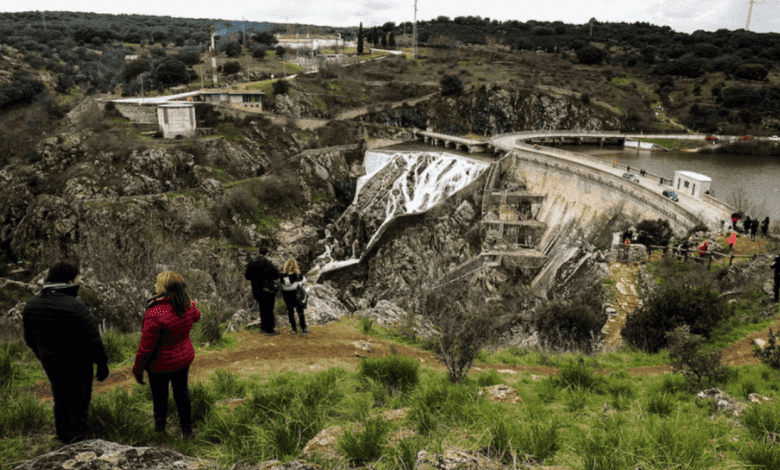
Recently published documents raise alarm: the dams are losing touch with modern technologies, and their surveillance systems are outdated. The problem became particularly apparent after recent extreme weather in the Comunidad Valenciana, when the Forata dam nearly reached a critical state due to high water levels. Although the exact dams to be included in the pilot project have not yet been disclosed, the contract amount has already been set at 1.2 million euros, and the project will be implemented over two years.
Condition of the dams
Spain is considered one of the leading European countries in terms of dam numbers—there are around 2,500, of which 1,300 are classified as large. The state owns 375 of these. However, experts are sounding the alarm: a third of these facilities require urgent structural work, two-thirds need complete replacement or upgrades of their monitoring systems, and half require repairs to the bottom outlets. What is even more concerning is that most lack even basic emergency response plans.
The professional engineering community insists: without increased investment and the creation of an independent dam safety board, the situation could become critical. The ministry, for its part, claims it is already implementing a range of safety measures, but the statistics speak for themselves. Nearly one in six large dams in the country is over 60 years old, and a third are more than 40 years old.
Modernization plan
As part of the new project, not only will outdated sensors be replaced, but advanced data collection and analysis systems will also be introduced. This will allow for real-time monitoring of dam conditions and a quicker response to any anomalies. Special attention will be given to the quality of diagnostics and the frequency of inspections, as these factors are crucial to the safe operation of the facilities.
The documents note that qualified personnel will be required to maintain the new systems. Years of neglect have led to deteriorating processes, and the behavior of dams under extreme conditions has been studied very little. Now, the authorities intend to address the problem, starting with ten pilot facilities.
Technology and risks
Modern sensors and monitoring systems can detect even the slightest changes in dam structures, which is crucial for preventing accidents. However, implementing such technologies requires not only financial investment but also a shift in maintenance and operation approaches. Authorities acknowledge that trying to solve all problems at once is unrealistic due to the scale and complexity of the tasks. As a result, they’ve opted for a phased approach—starting with a pilot project, then scaling up successful solutions.
Key priorities include not only technical upgrades but also increasing transparency in the operation of hydraulic facilities. Authorities emphasize the need to regularly analyze both standard indicators and dam behavior under abnormal loads to promptly identify potential threats.
The Future of Hydro Infrastructure
The contract, worth over 1.2 million euros, is set for 24 months. During this period, the plan is not just to upgrade equipment, but also to develop new standards for maintenance and monitoring. Authorities promise that the experience gained from pilot sites will serve as the basis for a large-scale modernization of the entire national dam network.
If the project proves successful, Spain could significantly improve the safety of its hydraulic structures and avoid a repeat of dangerous situations like the recent incident in Valencia. For now, it remains to be seen which facilities will be included in the first wave of upgrades and how quickly these ambitious plans will be implemented.
RUSSPAIN.COM reports that the Ministry for Ecological Transition and Demographic Challenge (Ministerio para la Transición Ecológica y el Reto Demográfico) is a key Spanish government body responsible for environmental issues, water resources, and sustainable development. The ministry oversees hundreds of strategic facilities, including dams, reservoirs, and water supply systems. In recent years, it has actively implemented innovative solutions to improve the safety and efficiency of infrastructure, but challenges related to equipment wear and aging remain a pressing concern.