The sudden halt in the process of recognizing historic irrigation systems as cultural heritage came as a surprise to many Spaniards. This decision affects not only farmers, but entire regions where traditional water distribution methods have shaped daily life and the economy for centuries. Now, the fate of these unique hydraulic structures and the traditions linked to them is uncertain.
According to El Pais, Spain’s Ministry of Culture has decided to temporarily suspend consideration of the application to include historic and traditional irrigation systems in the national list of intangible cultural heritage. The move was prompted by numerous objections from various organizations and governmental bodies. As a result, the authorities have announced the need to revise and improve the project, effectively freezing the process at both the national and international levels.
Origins and significance
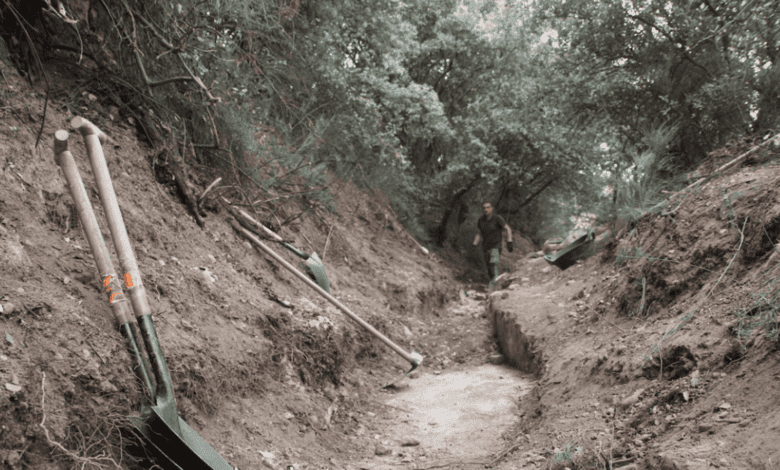
Irrigation systems that first appeared in Spain during the Roman Empire were initially used to supply water to people, livestock, and gardens. Later, around a thousand years ago, large-scale agricultural irrigation began, and many of those original structures are still in use today. These systems are not just feats of engineering—they embody a repository of knowledge, traditions, and social bonds passed down through generations.
The importance of such systems is underscored by the fact that they encompass not only technical aspects but also local traditions, collective water management practices, and even festive events related to water distribution. According to El Pais, it is precisely these elements that make traditional irrigation systems a unique phenomenon deserving of special recognition.
Reasons for Suspension
One of the experts behind the advisory opinion, José María Civantos, a professor at the University of Granada, notes that the process was halted after the ministry received serious objections. As a result, the authorities decided to review their approach to the application in order to take all opinions into account and avoid potential conflicts at both the national and international levels.
The freeze in the process has been attributed to disagreements between various ministries. The Ministry of Agriculture supports implementing modern technologies and digital solutions to boost production efficiency, while the Ministry for Ecological Transition advocates preserving historical methods but faces pressure from supporters of modernization and the dismantling of old hydraulic structures.
Reaction and Consequences
The head of the Association of Historical and Traditional Irrigation Communities of Andalusia, Fran Vílchez, expressed surprise and disappointment at the halt of the process. He recalled that in other European countries, UNESCO has already recognized similar systems as part of world heritage, while Spain still has not achieved the same status for its unique sites.
Representatives from various regions and organizations participated in preparing the application, but not all autonomous communities supported the initiative. For instance, Catalonia did not provide an official response to the ministry’s request. According to El Pais, many institutes and communities supported the idea of recognition, seeing it as important for preserving cultural identity and promoting the sustainable development of rural areas.
Context and prospects
In recent years, debates have repeatedly flared up in Spain over the preservation of traditional farming methods and the introduction of new technologies. These conflicts have already led to delays in recognizing other cultural heritage sites, especially when it comes to joint applications with neighboring countries. In 2024, a similar situation occurred with a project to protect historic vineyards, when disagreements between ministries stalled the process for several years.
The status of historic irrigation systems remains unresolved. While authorities search for a compromise, many regions continue to rely on traditional water distribution methods, considering them an integral part of their history and culture. Meanwhile, advocates of modernization argue for updating the infrastructure to improve efficiency and protect the environment.