The sharp tightening of controls on the export of arms and dual-use goods to Israel has become one of the most significant decisions made by Spanish authorities in recent years. This move directly affects the country’s international relations and reflects Madrid’s new stance on security and foreign policy. For Spaniards, these measures mean not only a shift in trade priorities but also possible consequences for the national defense industry.
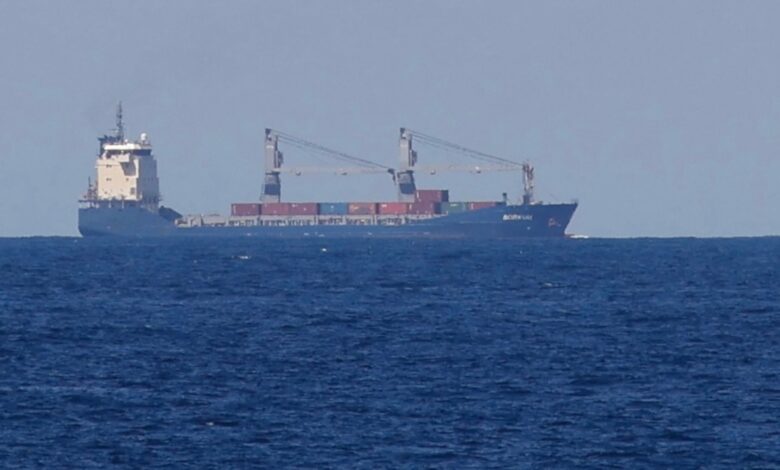
According to El Pais, in 2024 Spain denied transit permits for seven vessels carrying military cargo and blocked 57 export operations involving military products and dual-use goods destined for Israel. Previously, only three such cases were known, involving ships denied entry to the ports of Algeciras and Cartagena. These actions have sparked discontent among US regulators, but the Spanish government has maintained a firm position. El Pais reports that all blocked transits were related specifically to Israel, although official documents do not always specify the final destination.
Bans and Restrictions
During 2024, Spanish authorities denied 47 dual-use export licenses to Israel, accounting for more than half of all such refusals worldwide. In the first half of 2025, another 10 licenses were blocked: two for defense goods, one for riot control equipment and firearms, and the rest for electronic systems, cameras, and chemical components. These measures became possible after a special decree passed last year, which established an official embargo on supplies to Israel at the legislative level.
Despite the tightening of restrictions, military goods worth 1.45 million euros were still delivered in 2024. According to El Pais, these shipments took place under licenses issued before October 2023 and included electrical systems, sensors, and the return of faulty equipment. Components for armored vehicles intended for the Philippines were also sent, along with electronic systems bound for the United States. That same year, five export licenses to Israel were granted, but none had commercial value and all related to repair and maintenance of equipment belonging to the Spanish armed forces.
Changes in export structure
In 2024, Spain did not issue any new licenses for the export of dual-use goods to Israel, although goods worth 130,000 euros were shipped under previously granted permits. In the first half of 2025, 24 licenses were approved for the temporary export of equipment for repair, but none of these involved commercial deliveries or sales of defense products. As a result, the actual export of arms and dual-use goods to Israel was effectively reduced to zero.
At the same time, according to El Pais, Spain significantly increased its military supplies to Ukraine. From January 2024 to June 2025, exports totaled 110.3 million euros, with the bulk consisting of ammunition and artillery shells. In addition, a significant part of military aid to Ukraine was provided as donations from the reserves of Spain’s armed forces, estimated at 384 million euros.
Growth in exports and new markets
Despite restrictions on Israel, Spain’s total military exports in 2024 amounted to 3.49 billion euros, down 7% compared to the previous year. However, in the first half of 2025, the market rebounded: sales grew by 18% year-on-year, reaching 2.33 billion euros. The value of approved but yet-to-be-executed contracts hit a record 19.7 billion euros in the first six months of 2025.
Among the new buyers of Spanish military products are countries such as Equatorial Guinea and Eritrea. In both cases, the supplies involved explosives intended for the mining industry. According to El Pais, all export licenses for these countries were issued under strict restrictions and supervision.
In recent years, Spain has repeatedly revised its export policies in the defense sector. Following the outbreak of conflict in the Middle East and the escalation in Ukraine, authorities have tightened controls over all transactions involving military goods. Similar measures were taken in 2022, when shipments to certain North African countries were temporarily suspended. In 2023, discussions focused on introducing additional restrictions on the export of dual-use technologies. These steps reflect Madrid’s commitment to honoring international obligations as well as its own national security priorities.