Starting January 1, 2026, a new mandatory requirement will appear on Spanish roads for all vehicle owners. Instead of the usual warning triangles for accidents or breakdowns, drivers will now be required to use the special V16 beacon. This compact device must be kept in every vehicle, ready for use at any time.
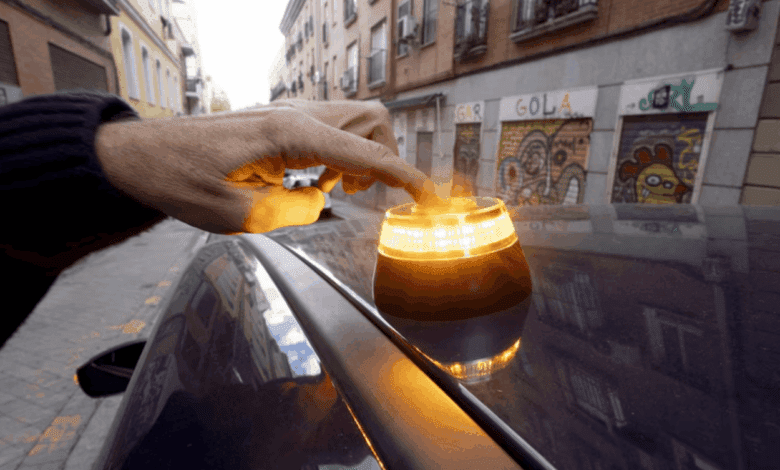
The V16 beacon is a small yellow flashing light that attaches to the roof of the car. In the event of an accident or breakdown, you simply take the device out of the glovebox and activate it. Once switched on, it flashes a bright light that can be seen from a distance, even in poor visibility. Manufacturers claim its signal is visible from several hundred meters away and will last at least half an hour.
Technology and safety
The main feature of the new beacon is its built-in GPS module and SIM card. Once activated, the device automatically sends the vehicle’s coordinates to the special DGT 3.0 platform. This allows emergency services to quickly locate incidents and respond more effectively. No connection to a mobile phone or installation of additional apps is required to transmit data.
Equipping vehicles with the V16 beacon is mandatory for cars, vans, buses, trucks, as well as mixed-use vehicles and road trains. Exceptions apply only to certain special categories of transport.
How to Spot a Fake
With the surge of various V16 beacon models on the market, drivers are asking: how can you avoid buying a counterfeit? An original device must have two mandatory codes: a European CE certificate and a unique certification number. The latter can be checked on the official road authority website to confirm the authenticity of the device.
Experts recommend carefully inspecting the labeling and avoiding purchases from questionable sellers. Lack of required certification can lead to fines and issues during roadside checks.
Reactions and Debate
The introduction of these new rules has sparked a strong response among Spanish motorists. On social media and forums, drivers are actively debating the pros and cons of the changes. Some believe the V16 beacon will genuinely improve road safety, while others point to additional costs and inconveniences.
The issue is especially critical for professional drivers and transport companies. They note that switching to the new system requires time and financial investment, and they also have doubts about how effective the DGT 3.0 platform will be in real-world conditions.
Frequently Asked Questions
Among the most common questions are how to use the beacon correctly, what to do if the device breaks down, and what to do if the signal doesn’t go through. To clarify these points, the road authority has released a special video explaining in detail what steps to take in case of an accident or a stop on the highway.
Drivers are reminded that the baliza must always be within reach and its functionality regularly checked. Fines are imposed for not having the device or using a non-certified model.
Incidentally, RUSSPAIN.COM reports that the initiative to introduce the V16 baliza was led by the Dirección General de Tráfico (DGT). The organization oversees and regulates road traffic across Spain and is responsible for implementing new safety standards. DGT regularly updates technical requirements for vehicles and runs information campaigns for drivers. The introduction of the V16 baliza is part of a major program to reduce accidents and improve road safety in Spain.