A sharp escalation of the situation in Iran has forced Spain to take emergency measures directly affecting the interests of Spanish citizens and diplomatic institutions. The decision to close the embassy in Tehran and urgently evacuate staff came as an unexpected move, reflecting the growing instability in the region. For Spaniards, this event means not only the temporary suspension of the diplomatic mission, but also potential difficulties for those remaining in the country or planning to travel to Iran.
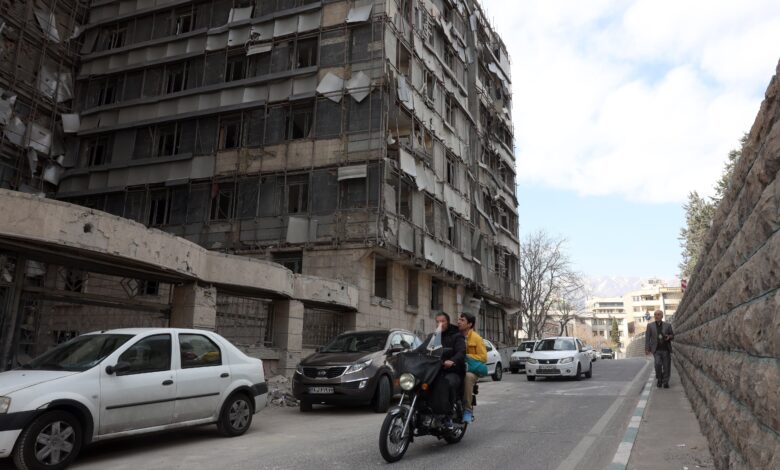
According to El Pais, in recent days Iran’s capital has been subjected to massive airstrikes, leading to a dramatic deterioration in security conditions. Spanish authorities deemed it impossible for embassy personnel to remain under such circumstances. The Ministry of Foreign Affairs reported the decision to close the embassy was made after a thorough risk assessment and consultations with European partners.
Evacuation of personnel
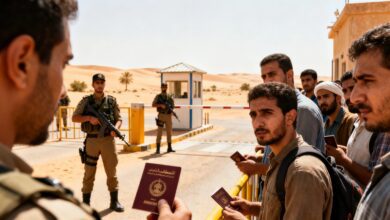
On Friday, Spain’s diplomatic staff, including Ambassador Antonio Sánchez-Benedito, left Iranian territory. The convoy, made up of nine people—including embassy staff, their relatives, and several Spanish citizens—traveled overland toward Azerbaijan. The journey, spanning more than 500 kilometers, took about eight hours and passed through areas with heightened military presence and constant threats of new attacks.
Foreign Minister José Manuel Albares reported that all evacuation participants safely crossed the border and are now out of danger. According to El Pais, the route was chosen to minimize risks, and the operation itself was conducted under strict secrecy. Similar measures had previously been taken by other European countries, notably Italy, which closed its diplomatic mission the day before.
Situation for Spaniards in Iran
Despite the evacuation of official representatives, around a hundred Spanish nationals remain in Iran. According to El Pais, most of them decided to stay despite recommendations to leave the country. For these individuals, the embassy closure means there is no direct consular support and resolving potential emergencies becomes more difficult.
In recent days, an evacuation was also organized for a group of 22 Spaniards who first made their way to Baku and then flew to Madrid with a stopover in Istanbul. The operation concluded without incident, but tensions in the region remain high and further actions will depend on how the situation develops.
Reaction and aftermath
Spain’s decision followed similar steps taken by other European countries, highlighting the severity of the threat to foreign nationals in Iran. Authorities emphasize that ensuring people’s safety remains the top priority, and the embassy will only reopen once the situation stabilizes. In the meantime, Spanish citizens in Iran will need to seek assistance from other EU diplomatic missions or use remote communication channels.
According to El Pais, the embassy closure may affect economic and cultural ties between the two countries, and also make it more difficult for Spaniards in Iran to process documents and resolve legal matters. Spanish authorities continue to monitor the situation and are prepared to take additional measures if necessary.
In recent years, embassy evacuations from conflict zones have occurred repeatedly. For instance, in 2021, many countries hastily withdrew their diplomatic missions from Afghanistan following the change of government and a sharp deterioration in security. Similar measures were taken in Libya and Syria, where foreign missions had to suspend operations due to threats to their staff. Such events always create challenges for citizens left in the country and require coordination among states to ensure their safety.