In Spain, head lice have long become part of everyday life, especially among school-age children. Even in the 21st century, many people still see lice infestations as something shameful, wrongly associating them with poor hygiene or bad living conditions. As a result, families prefer to keep quiet about the issue, which only aids its spread not just in schools, but also at home.
The situation is further complicated by the fact that incorrect or incomplete use of lice treatments makes the parasites more resistant to chemical products. This turns the fight against lice into a real source of stress for parents, who are afraid of infecting others and unsure how to quickly resolve the problem.
Experts are convinced: the only way to change the situation is to speak openly about head lice and adopt modern prevention protocols. Lice do not discriminate by social status, and any child can encounter them. However, out of fear of judgment, parents often delay seeking help, which can lead to complications such as scratching and scalp infections.
Head lice do not transmit dangerous diseases, but they cause a great deal of anxiety for families. The situation is especially challenging when there are small children at home, as standard chemical treatments are not suitable for them. In addition, treatment requires patience and strict adherence to instructions; otherwise, parasites return again and again. Many parents feel frustrated and even ashamed if they find out their child has brought lice home from school again.
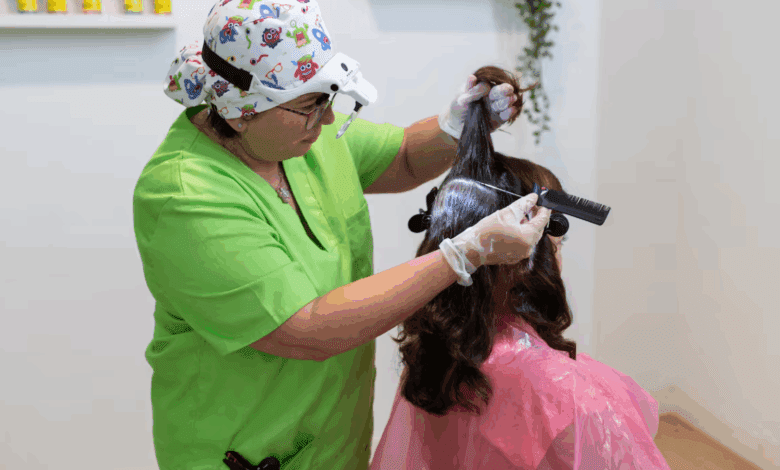
In recent years, the number of specialized centers in Spain offering quick and safe lice removal has been growing. These centers use professional combs, vacuum systems, and conduct thorough hair inspections. Such services are becoming increasingly popular, as home treatments are often too exhausting and not always effective. Moreover, these centers provide follow-up checks and help dispel myths about lice infestations.
Interestingly, more and more adults—especially grandmothers who spend a lot of time with their grandchildren—are also seeking help. This proves that lice can affect anyone, regardless of age. Doctors and pharmacists emphasize the importance of informing parents through schools, messenger groups, and even posters in pharmacies. Only with such awareness can the problem be detected in time and prevented from spreading.
Scientists in Sevilla are currently studying how resistant Spanish lice are to major treatments and searching for new ways to combat them. If resistance continues to increase, many families will have to look for alternative methods. For now, the key is not to shy away from discussing the issue and not to delay treatment, in order to avoid negative consequences for children’s health and well-being.