Spain’s Supreme Court has come under the spotlight after the country’s Attorney General, Álvaro García Ortiz, found himself in the dock. He stands accused of disclosing confidential information relating to a tax fraud case involving the partner of a prominent political figure. The trial has drawn intense public attention, given the high profile of the accused and the widespread interest in the case.
Court proceedings and the defendant’s position
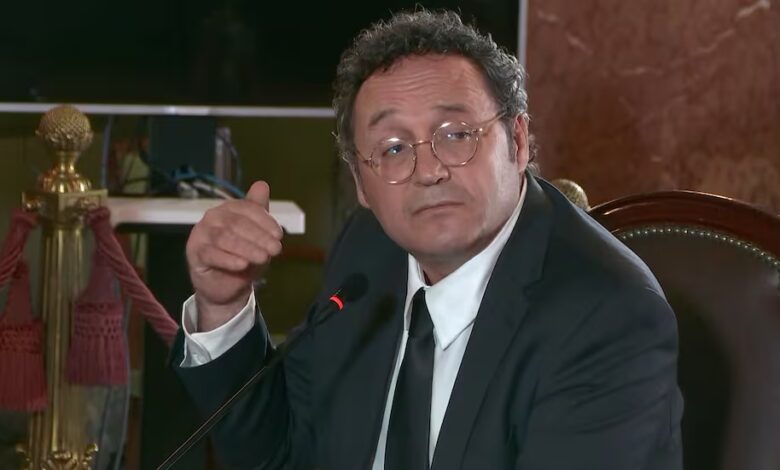
García Ortiz, removing his prosecutor’s robe before the interrogation began, appeared before the seven judges in an ordinary suit. For an hour and a half, he gave a detailed account of his version of events, categorically denying any involvement in leaking the email in which the defense attorney admitted to tax fraud. According to Ortiz, all his actions were solely aimed at protecting the honor and reputation of the prosecutorial office, not at spreading confidential information.
The court paid special attention to the issue of deleted data from García Ortiz’s electronic devices. The defendant explained that he regularly clears his gadgets for security reasons, not to hide evidence. Independent experts confirmed it was impossible to reliably determine which messages were deleted or when. The hearing also addressed the closure of the email account that received the controversial message: Ortiz insisted the account was active during the search, and that the decision to close it was made only after receiving threats.
Evidence, disputes, and unexpected statements
During the hearings, representatives of the Guardia Civil argued for García Ortiz’s guilt, relying on coincidental timing and circumstantial signs. However, the defense pointed out that hundreds of employees from various agencies had access to the documents, and that the investigation’s conclusions were based on assumptions rather than direct evidence.
The trial was marked by tense exchanges between lawyers and experts, as well as emotional statements from participants. The involvement of other high-ranking prosecution officials, their personal ties to the accused, and possible motives for the charges were all debated. The defense also questioned the legality of the search in the prosecutor’s office, claiming his rights had been violated.
Final hearings and public reaction
The closing stage of the trial concluded without questioning from the victims’ representatives, as the prosecutor declined to answer their questions, citing bias. In his closing remarks, García Ortiz stressed that his main goal was to defend his colleagues’ professional reputation and fight false accusations against the prosecution service. The court’s verdict is expected soon, and the public is closely following the case, as what’s at stake is not only the fate of one official, but also trust in the country’s justice system.