The attempt to enshrine abortion rights in Spain’s Constitution became one of the most debated topics of spring 2026. This decision could shape the future of women’s rights and shift the balance of power in parliament. The issue has sparked lively discussions, as passing the reform will require support not only from the left but also from opposition parties.
The government proposed amending Article 43 to include a provision on women’s right to terminate pregnancy. The Consejo de Estado backed the initiative but expressed concerns about the chosen amendment method. According to experts, the article in question focuses more on healthcare than on fundamental rights, which could spark legal disputes in the future.
Political disagreements
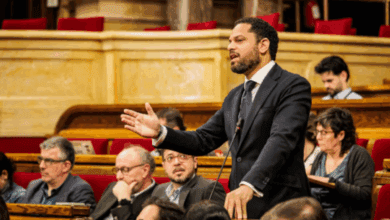
Passing the reform requires approval from three-fifths of the Congress deputies. This means that without support from the Partido Popular (PP) and Vox, the initiative will not succeed. Currently, both parties oppose the changes, arguing they are politically motivated. The Consejo de Estado also noted that abortion should not be treated solely as a healthcare issue, as it involves a broader spectrum of rights and responsibilities.
The idea of including the right to abortion in the Constitution first emerged after a heated debate in Madrid, when Vox representatives succeeded in having the “post-abortion syndrome” recognized at the municipal level. At the time, the city’s mayor (José Luis Martínez Almeida) initially supported the initiative but later changed his stance. Such disputes have already led to tensions between parties, and the current attempt at reform has only increased these divisions.
The Role of the Council of State
The Council of State issued a positive opinion but emphasized that the chosen procedure could be contested. In particular, experts noted that if the initiators had selected the constitutional section dedicated to fundamental rights and duties, the amendment would have required a more complicated process, including dissolving parliament and holding new elections. The government opted for a simpler route to increase the chances of success, but this decision drew criticism from some in the legal community.
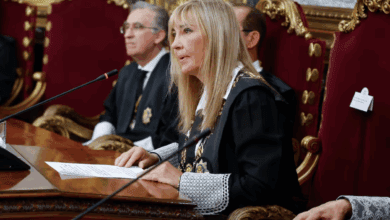
There was no unanimity within the Council of State itself. Chairwoman Carmen Calvo assigned the preparation of the opinion to former Minister of Health María Luisa Carcedo, while an alternative perspective was drafted by one of the authors of the 1978 Constitution, Miguel Herrero de Miñón. He warned that such a reform could bypass the safeguards provided by Article 15, which addresses the right to life and physical integrity.
Impact on Society
Prime Minister Pedro Sánchez presented the initiative as a step towards protecting women’s rights and strengthening social justice. He emphasized that Spain must keep pace with modern European trends. However, as reported by Ale Espanol, the Council of State believes that the issue requires more thorough legal analysis and should not be resolved solely by political means.
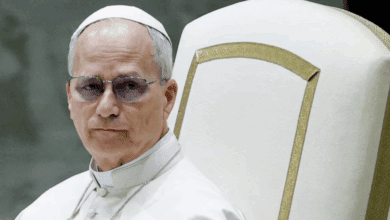
The debate around reform coincided with a visit to Spain by the new Pontiff, León XIV. His speech in Congress may address the right to life, since the Catholic Church’s stance on abortion remains unchanged. This adds an extra layer of tension within society and among politicians.
Context and comparisons
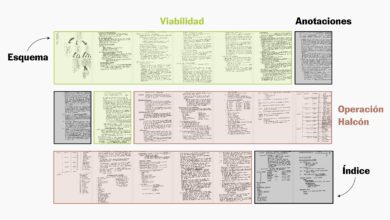
The issue of constitutional reform for the sake of new rights has sparked controversy in Spain before. For example, authorities recently discussed unsealing archives related to the events of February 23, 1981, which also led to fierce debates between parties. More details on how such initiatives become the subject of political battles can be found in the article about the disputes over the release of the coup archives.
In recent years, only France in Europe has taken a similar step by enshrining the right to abortion in its Constitution. Spain could become the second country, if parliament reaches a compromise. However, prospects for success appear slim for now, given the hardline stance of the opposition and ambiguous legal opinions.
In other European countries, issues concerning women’s rights and abortion are also sparking heated debates. In Poland and Hungary, authorities have tightened laws, triggering mass protests. Meanwhile, some countries like Germany and Italy are discussing new guarantees for women. Spain, following European trends, is seeking its own path, balancing tradition with the modern demands of society.