The issue of compensation for victims of the Adamuz train disaster has become one of the most discussed topics in Spain. After the tragedy, which claimed 45 lives and left more than 150 injured, public attention is focused on the government’s actions. For many families who lost loved ones, financial support is of critical importance, especially against the backdrop of protracted legal proceedings and uncertainty with insurance payouts.
In recent days, several ministries—Transport, Finance, and Interior—have been working on a special mechanism that will allow victims and their families to receive financial assistance as quickly as possible. According to information discussed at the Council of Ministers meeting, the plan involves creating a separate payment scheme that will not depend on the outcome of court cases or decisions by insurance companies. This approach aims to spare victims from years of waiting and bureaucratic delays.
Emergency measures
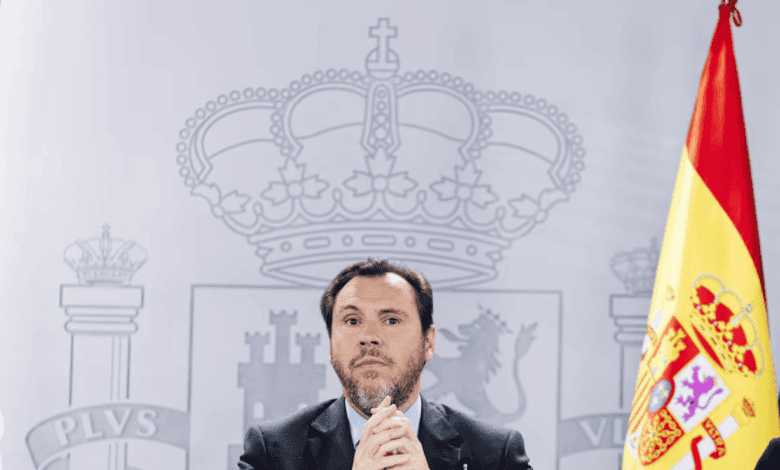
Transport Minister Óscar Puente has already announced plans to begin direct talks with passengers of the Iryo and Renfe trains involved in the Madrid-Seville line accident. According to him, the authorities are prepared to offer compensation to the victims and their families to help at least partially ease the consequences of the tragedy. Special attention is being given to cases where the disaster left children orphaned or families lost several members at once. One of the most widely discussed incidents involves a six-year-old girl who became the sole survivor in a family of five.
Puente emphasizes that no amount of money can bring back those lost, but the state must do everything possible to ease the suffering of those at the epicenter of the tragedy. Authorities promise that payments will be made as quickly as possible, without unnecessary paperwork or waiting for court proceedings to conclude.
Funding and details
The issue of funding emergency payments is being discussed separately. According to preliminary information, the government will likely need to allocate a special loan or use other financial tools to quickly collect the necessary funds. It is expected that the details of this scheme will be announced at a press conference following the Council of Ministers’ meeting, where the Transport Minister will present the first concrete steps and explain exactly how support for the victims will be organized.
At the same time, discussions are underway about restoring the Madrid-Seville railway line, which was closed after the accident. Initially, train service was expected to resume at the beginning of February, but the timeline may now be revised. Authorities emphasize that passenger safety remains a priority, and any decisions will be made only after a thorough inspection of the infrastructure.
Lessons from the Past
The tragedy in Adamuz has once again reminded Spaniards of events a decade ago—the Angrois disaster in 2013, when many families waited years for compensation. This time, the government is determined to avoid repeating past mistakes and pledges that victims will not be left without support. However, questions are already being raised in society: why is the compensation mechanism being discussed only nine days after the accident, and will this lead to further delays?
The scandal surrounding the timing of decisions and the transparency of the compensation process is gaining momentum. Many are demanding not only swift action from the authorities but also clear assurances that such tragedies will not happen again. Meanwhile, the families of the victims and the injured are waiting for concrete steps, not just promises.