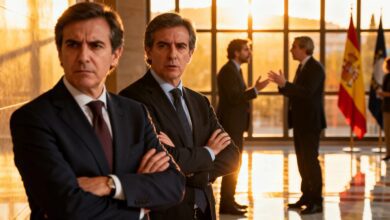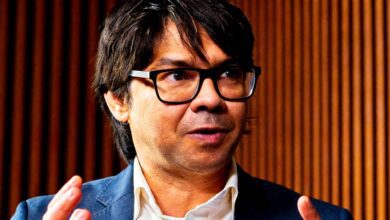
A scandal in the Spanish Senate has sparked widespread debate among citizens and politicians. The spotlight is on an incident involving journalist Vito Quiles, who reportedly pushed a senator and political analyst inside the parliament building. This event prompted immediate intervention by the Interior Minister, highlighting the importance of maintaining order and respect in government institutions.
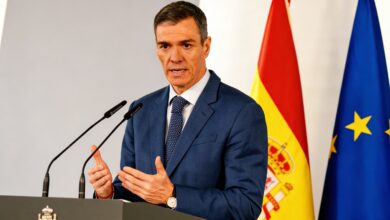
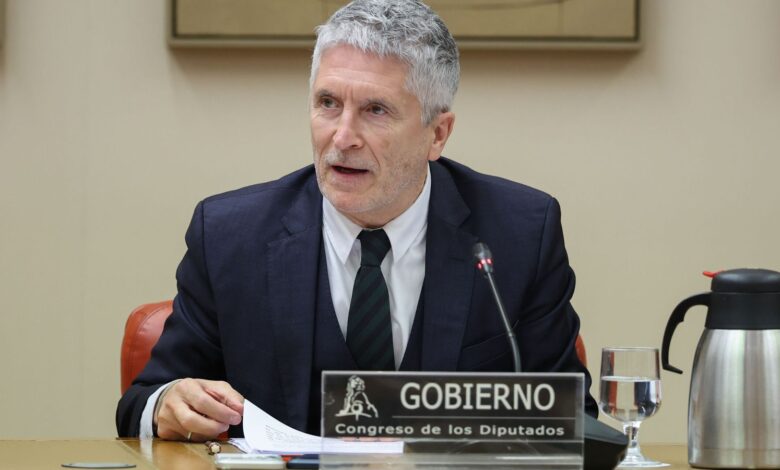
Interior Minister Fernando Grande-Marlaska stated that he has requested an immediate and comprehensive report on the incident. According to him, such occurrences within the Senate walls are cause for serious concern, as this is a place where decisions affecting the entire country are made. The minister emphasized that any attempts to disrupt peace and security in parliament will be met with all measures provided by law.
Authorities’ response
According to El Confidencial, the incident occurred the previous evening, when PSOE senator Rocío Briones and analyst Sarah Santaolalla encountered Vito Quiles, who holds press accreditation. The source reports that the journalist allegedly used physical force, prompting a sharp reaction from Senate representatives and the public. Authorities are considering suspending or completely revoking Quiles’ right to work in the parliament.
The minister emphasized that such actions cannot be ignored, as they undermine public trust in government institutions. He also pointed out that in recent years, there has been a rise in provocations and conflicts in public offices, which calls for stricter oversight and greater accountability from all participants in the political process.
Consequences for the media
The issue of journalists’ conduct in parliament has sparked a separate discussion. According to El Confidencial, Vito Quiles has previously been at the center of scandals related to breaching accreditation rules. He has previously faced allegations of harassing senior politicians and failing to uphold ethical standards in parliamentary reporting. If new violations are confirmed, he risks not just temporary suspension, but permanent loss of his accreditation.
Authorities stress that freedom of the press should not be used to justify aggressive behavior or interference in the work of public institutions. The Senate is considering tightening regulations for media representatives to prevent such incidents from happening in the future.
Context and comparisons
The situation with Vito Quiles echoes other high-profile cases where authorities or media figures have found themselves at the center of scandals due to inappropriate conduct. For instance, a recent investigation has begun in Madrid against a senior police official accused of sexual assault, which also sparked widespread public outcry and renewed debate about safety and trust in state institutions. Read more about similar cases in the article on the investigation into the deputy head of police.
In recent years, Spain has tightened regulations on the conduct of journalists and officials within state institutions. Any displays of aggression or disruptions are seen as threats to stability and the authority of the government. Such incidents prompt reviews of existing protocols and stricter oversight to ensure safety and respect within the parliament and other public bodies.
Reflecting on recent events, it is clear that clashes between media representatives and politicians occur not only in Spain but also in other European countries. In most cases, authorities respond quickly to prevent escalating tensions and maintain public trust in political institutions. These measures include temporary suspensions, accreditation reviews, and the introduction of new standards of conduct for all participants in the political process.