A sharp reduction in the tax burden on fuel and electricity is becoming a key step for millions of residents in Spain. The new measures, which the government plans to approve at the next meeting, will directly affect the expenses of families and businesses. In a context of instability in global markets and rising energy prices, these decisions are especially significant for the country’s economy.
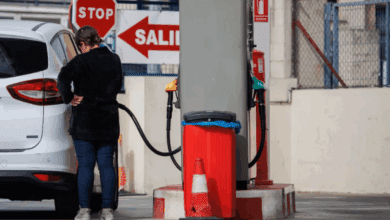
As reported by Cadena Ser, the authorities intend to lower the VAT rate on gasoline and diesel from 21% to 10%. This will help reduce fuel costs at gas stations, which is especially important for those who depend on personal vehicles daily or work in the transport sector. In addition, there are plans to temporarily abolish the special hydrocarbon tax, which will also impact the final price for consumers.
Changes for households
The tax cuts will affect not only drivers but also everyone who pays electricity and gas bills. According to 20minutos, the VAT rate on electricity and gas will also be lowered to 10%. This decision aims to ease the financial burden on households facing higher utility bills in recent months. Additionally, the authorities plan to reduce the special electricity tax and temporarily suspend the tax on electricity production.
The partial restoration of the so-called “social shield” is also included in the package of measures. This mechanism had previously been scrapped due to lack of parliamentary support, but now some of its elements are being reinstated. This will help protect the most vulnerable segments of the population from sharp increases in prices for basic services.
Impact on the economy
Experts note that such steps may reduce inflationary pressure and support domestic demand. For businesses, especially small and medium-sized enterprises, a reduction in the tax burden on energy means lower costs and the possibility to retain jobs. At the same time, budget losses from decreased tax revenues may be offset by increased economic activity.
According to 20minutos, the decision to cut taxes is linked to the need for a swift response to the ramifications of the Middle East conflict, which has impacted energy costs worldwide. Spain, like other EU countries, is forced to seek a balance between supporting the population and maintaining stable public finances.
Context and consequences
In recent years, Spain has already taken measures to cut taxes on energy during periods of sharp price increases. For example, in 2022 the VAT on electricity was temporarily reduced, and subsidies were introduced for certain categories of consumers. These steps helped to partially stabilize the market situation and ease social tensions.
According to RUSSPAIN, such initiatives typically generate significant public reaction and become topics of parliamentary debate. The question of their long-term effectiveness remains open, but in the short term, these measures can substantially ease life for citizens and businesses.
Recalling similar measures, it is worth noting that in 2023 the government had already reduced taxes on gas and electricity to mitigate the effects of the energy crisis. At that time, the measures included temporary benefits for low-income families and businesses. This policy helped prevent a sharp increase in utility debt and supported economic activity during a challenging period.