The future of Spain’s Constitution is once again at the forefront of public debate. The stability ensured by the fundamental law since 1978 is now under strain due to a lack of political dialogue and growing divisions among political parties. For Spaniards, this is not just a legal dispute—it’s about preserving democratic institutions and preventing fresh upheavals.
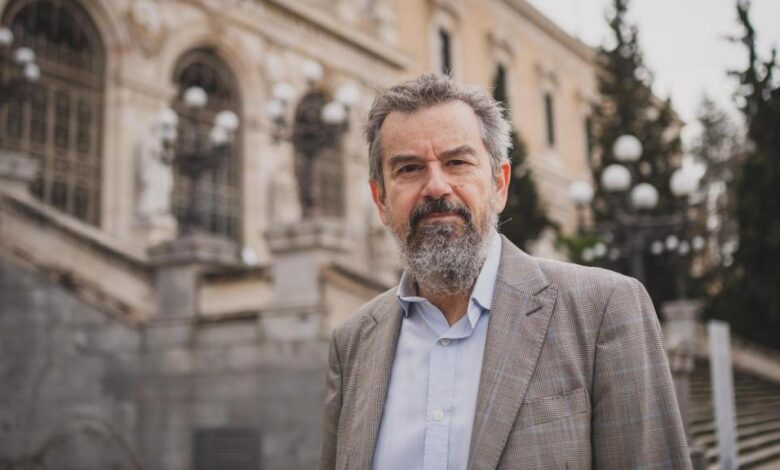
Historian Juan Francisco Fuentes, professor of contemporary history at Universidad Complutense de Madrid, highlights that the uniqueness of the 1978 Constitution lies in the fact that it was the product of rare broad consensus for Spain. Unlike previous constitutional acts, this document brought together politicians with differing views and became a symbol of national reconciliation. According to Fuentes, it was precisely the pressure from society at the end of the 1970s that forced politicians to seek compromises, making it possible to create a text that carried dual legitimacy—both parliamentary and popular.
Challenges of Reform
However, nearly half a century after the Constitution was adopted, the situation has changed. Fuentes points out that today Spain lacks the necessary level of trust among key political forces to embark on much-needed reforms. The issue of the country’s territorial organization is particularly acute. According to him, this aspect remains the most complex and sensitive, as attempts to alter the system of autonomies could lead to unpredictable consequences for national unity.
The historian recalls that the Constitution has withstood serious challenges, including the attempted military coup on February 23, 1981 (23-F), and has proven its resilience. Nevertheless, the current political climate is not conducive to reaching compromises. Fuentes believes that the lack of dialogue between the PSOE and PP makes any changes virtually impossible, and delaying the resolution of the territorial issue could lead to even greater tensions.
Memory of the Transition
Fuentes laments that modern Spaniards often forget the conditions under which the transition to democracy took place. He criticizes some left-wing groups for ignoring the efforts that were made to achieve today’s freedoms and rights. In his opinion, attempts to delegitimize the Constitution often conceal a desire to replace democracy with alternative models, which could be dangerous for the country’s future.
In this context, it is worth recalling how political conflicts over constitutional norms have already led to serious consequences. For example, the recent dispute over decisions by the Constitutional Court in Madrid, which sparked a strong reaction from the opposition and prompted new demands for the resignation of senior officials. More details on how court rulings can influence the political landscape can be found in the material about the recent conflict surrounding Ayuso’s key ally.
The Role of the Monarchy
A special place in Fuentes’s analysis is given to the role of the monarchy. He emphasizes that the Crown remains one of the main pillars of the constitutional system, and any attempts to reconsider its status are seen as crossing a red line. The historian notes that the monarchs— from Juan Carlos I to Felipe VI—have played different, yet always significant, roles in strengthening the system. At the same time, he views Queen Letizia’s influence on the modern image of the monarchy as exceptionally positive.
Fuentes is convinced: despite all the challenges, Spanish democracy remains stronger than its critics believe. However, he warns against overconfidence, reminding us that history has repeatedly shown—stability demands constant vigilance and readiness for change.
In recent years, Spain has repeatedly faced crises linked to territorial disputes and attempts to amend the constitution. The Catalan referendum in 2017, mass protests in Barcelona, and ongoing debates about the monarchy’s role—all these events highlighted how acute the question of the country’s constitutional future is. Similar processes can be observed in other European countries as well: debates over the redistribution of powers between central and regional authorities, demands to update outdated laws, and growing distrust of traditional institutions. The Spanish experience remains one of the clearest examples of how compromise and dialogue can bring long-term stability—but only through constant renewal and openness to change.