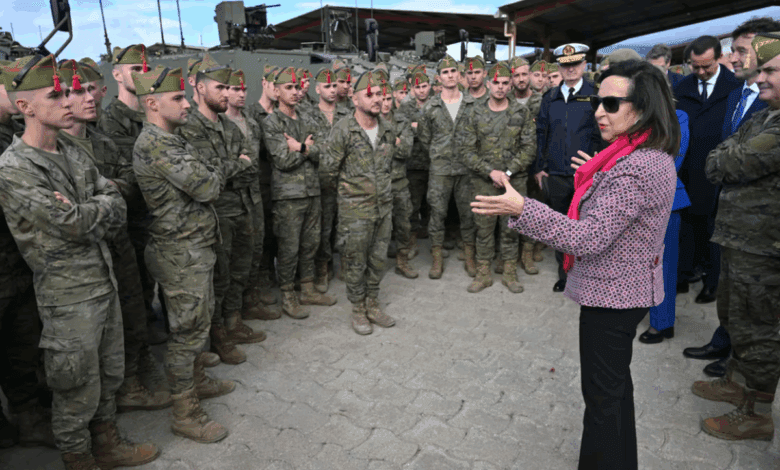
Spain introduces new physical fitness requirements for applicants and active military personnel. The Ministry of Defense has decided to revise outdated standards to make the selection process more modern and equitable. Candidates will now face just five tests instead of the previous twelve, and regular fitness assessments will become mandatory throughout a military career.
Key changes include dropping traditional sit-ups and jumping exercises. Instead, the focus shifts to comprehensive tests that, according to military experts, better reflect the real demands of service. The new system will apply to all military ranks, including officers, sergeants, and enlisted personnel.
Five key tests
The updated list of fitness tests includes: push-ups to assess upper body strength and endurance, plank holds to measure core stability, a 2,000-meter run to evaluate cardiovascular and respiratory performance, plus a special speed and coordination course. Officers and sergeants will have an additional 50-meter swim test, highlighting the importance of well-rounded training for command staff.
Enlisted personnel are exempt from the swim test, which some instructors say will make military service more accessible for young people who previously lacked swimming facility access. At the same time, the new tests demand a comprehensive training approach and ongoing physical conditioning.
Simplification and Standardization
Traditional exercises like long and high jumps, short sprints, and multistage runs are now integrated into comprehensive new tests. Experts say this approach will help avoid excessive specialization and provide a more objective assessment of a candidate’s physical fitness. The Training Academy notes that many applicants, especially future soldiers, used to fail precisely on these older tests.
Starting in 2026, the new rules will be mandatory for everyone joining military service. From 2027, they will also apply to periodic fitness checks for active personnel. There will be no more slacking off after enlistment: every two years, soldiers will have to prove their physical readiness.
Ongoing Evaluation
The Ministry of Defense emphasizes that physical activity is an integral part of service. To maintain fitness, each service member is guaranteed at least three hours of training per week during working hours. This is not a recommendation, but an obligation on par with other military duties.
Those who fail the tests will get a second chance—they will be allowed to retake the evaluation. However, there’s no room for complacency: regular assessments will become the rule rather than the exception. For certain units where endurance or specialized skills are critical, additional requirements may be introduced.
New Standards
The physical training reform has sparked mixed reactions among the military and experts. On one hand, the simplified system opens the door to more candidates, especially younger people without an athletic background. On the other, the new tests require ongoing personal effort and leave no room for negligence.
The army is convinced that a modern soldier must not only be strong, but also resilient, fast, and ready for any unexpected challenge. The new testing system is more than just a formality—it is a real tool for selection and oversight. Trials will become a routine part of life for everyone who chooses a military career.