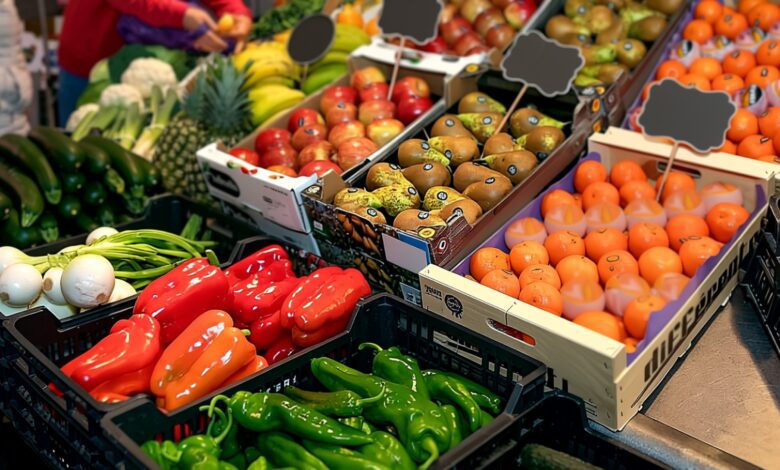
Food quality and safety in Spain have once again become the focus of public attention after the European Union declared a serious threat linked to nectarines of Spanish origin. The warning came after insecticide levels above the permitted limits were detected, prompting EU authorities to take urgent measures to remove the fruit from store shelves. For Spanish families used to trusting local produce, this news has been an alarming sign: the safety of everyday food staples is once again under question.
European regulators responded swiftly. After the discovery of the hazardous substance in a batch of nectarines from Spain, authorities decided to immediately withdraw all affected products from circulation. This move highlights how seriously the EU takes citizens’ health and food quality control. For producers, this situation brings not only financial losses but also reputational risks, potentially impacting the country’s export opportunities.
Market consequences
The nectarine scandal has sparked a wave of discussion among experts and consumers. Many are questioning how such a situation could occur in a country renowned for its advanced quality control system. Spain’s agricultural sector, traditionally considered one of the most reliable in Europe, now has to prove its good faith and transparency. Suppliers and farmers are facing the need to review their standards and tighten internal controls in order to restore consumer trust.
At the same time, the market is feeling the strain: retail chains are forced to respond quickly to regulatory demands, while consumers are searching for alternative sources of fruit. In some regions, there is already an increase in demand for imported products, which could change established consumption patterns. For many families, this means extra expenses and the necessity to be more selective when choosing products on store shelves.
Questions about control
The nectarine case once again raises concerns about the transparency and effectiveness of the system for monitoring chemical use in agriculture. Despite strict regulations and regular inspections, incidents like this show the system does not always work flawlessly. Experts point out that technical improvements alone are not enough; increased accountability is needed at every stage of production and supply.
Consumers, in turn, are demanding greater transparency from producers and government agencies. Social media is abuzz with discussions about the possible causes of the incident, with calls for tougher penalties for violations and the introduction of additional measures to inform the public about associated risks. For many Spaniards, this case has raised questions about how much they can truly trust even familiar and seemingly safe products.
Public reaction
The public outcry was not long in coming. Across various regions of Spain, debates are taking place at the level of municipalities and professional associations. Representatives of the agricultural sector emphasize that such incidents are rare and have promised to strengthen quality control. Nevertheless, consumer trust has already been undermined, and regaining it will not be easy.
At the same time, the situation with nectarines has sparked a broader discussion about food safety issues in Spain and the EU as a whole. Many experts believe that this case could lead to a revision of current standards and stricter controls over food imports and exports. For Spanish producers, this means new challenges but also an opportunity to demonstrate their commitment to high quality standards.