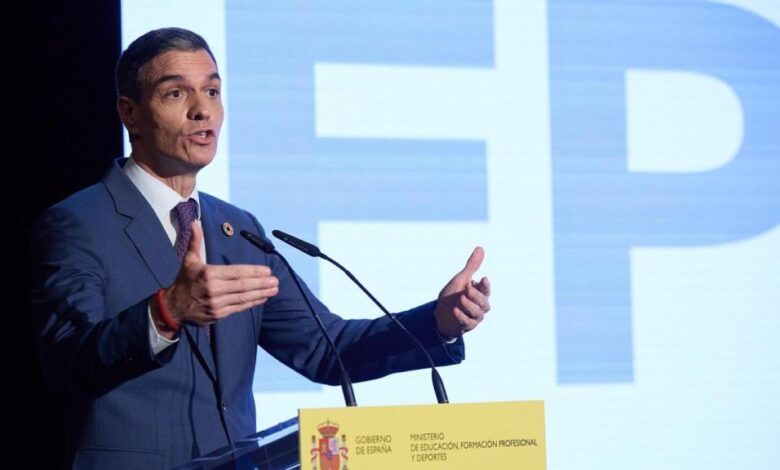
Spain is embarking on a major reform poised to transform the vocational education market. Authorities have announced the preparation of a new royal decree, which will tighten requirements for private Formación Profesional (FP) centers. This decision directly affects hundreds of thousands of families who choose alternatives to the state system for their children. As interest in FP surges, particularly in the private sector, the government has decided to intervene to prevent a decline in education quality and the rise of questionable institutions.
Oversight and standards
According to government plans, the new rules will limit the opening and operation of private centers that cannot demonstrate a high level of training and transparency in their activities. Public consultations on the draft will begin in the coming two months, after which the document will be approved. Authorities intend to introduce strict standards for anyone wishing to provide FP educational services, in order to prevent the emergence of so-called ‘diploma mills’ that offer no real guarantees for students.
In recent years, private FP centers have experienced a genuine boom. In some regions, such as Madrid and País Vasco, the proportion of students in private institutions reaches 40%. Nationwide, one in five FP students chooses a private school. This growth has raised concerns among unions and experts, who believe it leads to social segregation and a general decline in education standards.
New centers and investments
In tandem with stricter controls, authorities have announced plans to create ten new Centers of Excellence (Centros de Excelencia) and expand the network of National Reference Centers (Centros de Referencia Nacional) in key industries. These measures aim to raise the prestige and quality of vocational education while making it more accessible to young people across different regions of the country.
The president of the government emphasized that FP is no longer a backup option for those who didn’t enter university. Today, it is a full-fledged path to in-demand professions, with high employment rates—nearing 100% in some sectors. In recent years, public investment in FP has increased several times, enabling the expansion of program offerings and modernization of infrastructure.
Reaction and consequences
The decision to introduce new restrictions has already sparked heated debates. Representatives of private educational institutions fear the new rules will become a barrier to sector development and reduce the number of places available for students. Meanwhile, supporters of the reform are confident that only strict oversight can maintain a high standard of education and prevent unscrupulous players from entering the market.
Trade unions insist that the share of private centers in FP has already reached a critical level, and further growth could lead to even greater social fragmentation. They emphasize that the state must guarantee equal access to quality education regardless of family income or place of residence.
Background
Similar measures have already been applied to private universities. In 2025, the so-called ‘anti-chiringuitos’ decree was enacted, tightening the requirements for opening and operating private universities, especially after the surge in popularity of online master’s programs. At the time, these changes drew sharp criticism from the private sector, which saw them as an attempt to restrict competition.
Now, a similar approach is being extended to Formación Profesional. Authorities stress that the goal of the reform is not to prohibit private initiatives, but to ensure transparency, quality, and fairness for all participants in the educational process. In the coming months, it will become clear how the new rules will affect the FP market and what changes await students and their families.
In recent years, Spain has already faced waves of education reforms. For instance, in 2024 changes to the accreditation system for private schools were discussed, and in 2023 new standards for online education were introduced. Each time, such initiatives sparked heated debates, but ultimately led to stricter oversight and higher quality requirements. As a result, despite ongoing disputes, the government continues its efforts to protect student interests and raise educational standards.