Changes in regulations spark conflict
A heated dispute has erupted in Spain between the country’s leading ham producers. The controversy began after the Guijuelo Designation of Origin Council decided to lower the minimum required percentage of Iberian pig breed in its products from 75% to 50%. Now, ham can be labeled as Iberian if at least half the animal’s genetics are Iberian, with the remainder coming from the Duroc breed. This move has provoked strong opposition from producers in other regions, particularly in Andalusia and Extremadura, where strict attention is paid to breed purity and the traditional connection to natural pastures known as dehesas.
Guijuelo officials insist that lowering the threshold does not affect quality, but instead broadens consumer choice and makes the product more affordable. However, opponents argue that these changes could undermine the unique character and value of Iberian ham while reducing market transparency.
Industry response and producers’ concerns
Guijuelo’s decision has been backed by the Ministry of Agriculture, heightening tensions further. In other regions, there are fears that the new standards will pave the way for mass production and threaten the traditional practice of raising pigs on dehesas. Producers in Los Pedroches and Jabugo warn that such measures could lead to lower prices and confusion for consumers, who may find it difficult to distinguish authentic Iberian ham from cheaper alternatives.
In response to the ministry’s refusal to reconsider the changes, representatives from Los Pedroches are considering legal action. They argue that only by preserving breed purity and traditional feeding methods on dehesas can the product’s uniqueness and quality be guaranteed.
Impact on tradition and the market
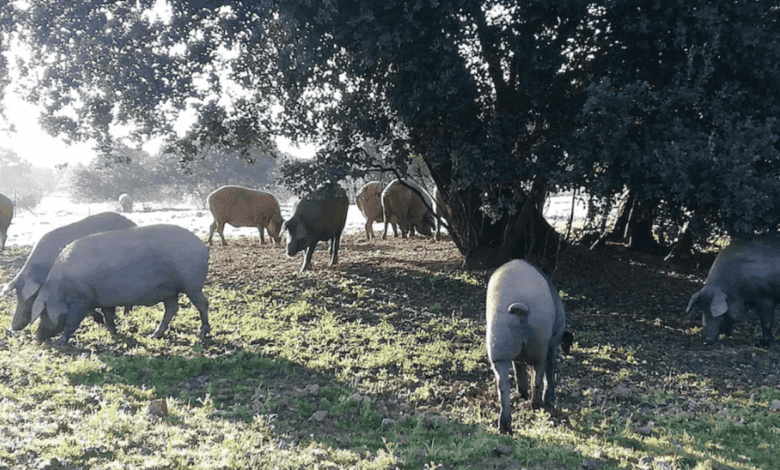
Lowering breed requirements now means that to obtain Iberian ham status, it is enough for the mother to be a purebred Iberian pig and the father a Duroc. This approach produces faster-growing, hardier animals, which benefits large-scale production. However, tradition advocates insist: without pastures, acorns, and special care, jamón loses its authenticity.
Critics of the changes note that most products labeled ‘Iberian’ are actually produced on industrial farms rather than dehesas. In their view, this misleads consumers and undermines trust in Spanish jamón on the global market.
Demands to review the standards
In response, industry representatives and farmers’ associations are demanding a review of current standards. They propose dividing products into two categories: ham from crossbred pigs raised on compound feed, and purebred Iberian ham, acorn-fed on dehesas. This approach, they say, will help maintain the product’s uniqueness and protect consumer interests.
At the same time, Guijuelo representatives insist that their products meet all European requirements, and that additional control measures—such as extended aging and labeling—only improve quality. They believe that the key is not just the breed, but also the conditions in which the pigs are raised, their diet, and the region’s climate.
The future of Iberian ham is in doubt
The situation surrounding ham production standards remains tense. Industry insiders fear that further dilution of the criteria will lead to the disappearance of this traditional product, which has been a hallmark of Spain for centuries. At the same time, the new rules could make ham more accessible to a wider audience, but at the expense of its uniqueness and trust in the brand.
While producers and regulators have yet to reach a consensus, uncertainty continues to loom over the market. Buyers can only carefully examine labeling and choose products that meet their expectations for quality and origin.