Amid rising prices and constant changes in the job market, Spaniards are increasingly seeking unconventional ways to solve everyday challenges. A new platform launched in the Balearic Islands encourages people to move away from traditional monetary transactions and use time as a universal currency. This concept is already shifting perceptions of the value of knowledge and skills while creating new connections between people.
Unlike conventional services where everything is measured in euros, here the main unit is the number of minutes a person is willing to spend or earn in exchange for help. This approach is especially relevant for those who want to develop skills without extra expenses and for those who value personal experience more than material goods.
How the exchange works
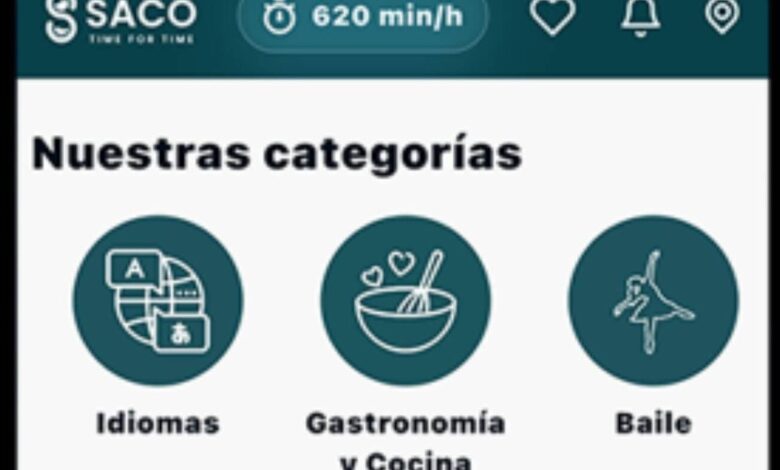
The SACO platform, created by Llorenç Sansó and Kazuhiro Tajima, allows users to offer their expertise or assistance in exchange for minutes. After each session, participants earn time, which they can spend learning or receiving other services. The platform features everything from cooking and sports to digital marketing and languages.
The service is rapidly gaining popularity as it enables users to both save money and build trusting relationships. According to El confidencial, the platform’s founders believe their project is more than just a technological innovation—it’s an attempt to bring back trust and mutual support in a society where money often hinders personal growth.
Opportunities for everyone
Users can choose between in-person and online sessions, making the platform convenient for residents across different regions of Spain. The app already features 14 categories covering the most in-demand fields. This approach helps bring together people with diverse interests and backgrounds, as well as create new professional and personal connections.
Interestingly, such initiatives are emerging against the backdrop of broader changes in Spanish society. For example, more and more parents are choosing unconventional names for their children, as discussed in the article about why the short name Vega has become a symbol of a new take on tradition — more on the trend for short names.
Advantages and challenges
The main challenge for the developers is to explain how the minute-based system works in a country where monetary transactions are the norm. However, the growing number of users and the expanding list of services show that Spaniards are open to trying new formats. The platform has already become a prominent part of the movement for alternative forms of exchange and support.
Looking ahead, the creators plan to expand the community and introduce additional features to make exchanges even more convenient. This approach could serve as an example for other countries also looking for ways to make the economy fairer and more accessible.
In recent years, projects have emerged in Spain and other European countries where money takes a back seat, and personal engagement and exchange of experience come to the forefront. Some cities already have local service exchange systems in place, while educational institutions are testing formats where students help one another without payment. These initiatives show a growing interest in new forms of collaboration, with trust and mutual support becoming more important than traditional models.