A major railway protest is brewing in Spain as train drivers announce a three-day strike, demanding urgent changes to the safety system. The move comes after tragic accidents in Adamuz and Gelida that claimed the lives of not only passengers but also railway workers. The country is once again debating who is responsible for these fatalities and why repeated warnings from experts have gone unanswered for years.
The Semaf train drivers’ union is clear: their patience has run out. According to them, striking is the only way to force authorities and companies to heed their demands to restore safety standards. For three days, from February 9 to 11, trains nationwide could grind to a halt if all sector workers join the protest. This time, it’s not about pay, but about life and death—a point the union stresses in every statement.
Boiling point
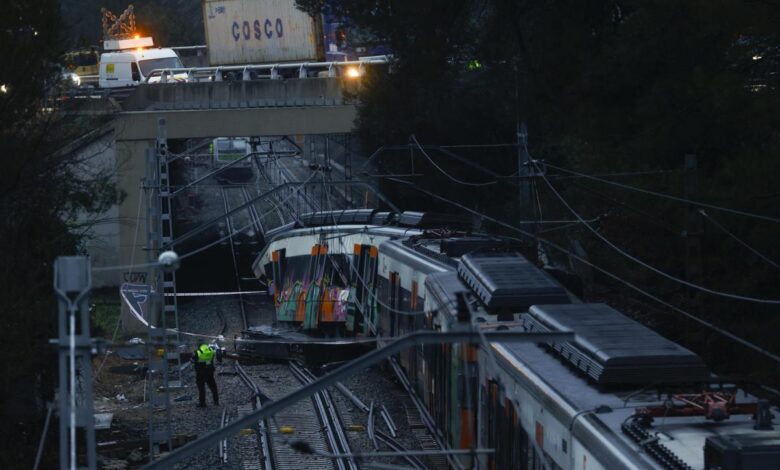
The incidents in Adamuz and Gelida were the last straw for train drivers. Both accidents resulted in numerous casualties, including drivers themselves. The union insists these tragedies are not isolated events but the outcome of systemic problems that experts have flagged repeatedly. They have dozens of reports documenting poor track conditions that those responsible for infrastructure have ignored for years.
Train drivers are demanding that authorities finally respond to their appeals. According to them, reports about defects on certain sections of the railway go unanswered for months, sometimes even years. Semaf believes such negligence has led to tragedies that could have been prevented.
Questions for Management
The release of audio recordings from the Adanmus accident—featuring conversations between the train driver and the control center—has caused particular outrage. The union calls this a serious breach, insisting that Adif was responsible for securing these materials. Now, drivers intend to push for a judicial investigation into the leak, arguing that such actions only worsen the situation and undermine trust in the system.
Semaf notes that despite the tragedy, the driver’s actions at the critical moment were impeccable. The professionalism of railway workers proved outstanding even under the most extreme conditions. However, the union believes that individual heroism cannot make up for systemic failures by management.
Dangerous Sections
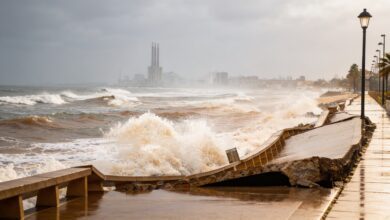
The accident in Jelida has reignited the debate over the need for special protocols to operate under adverse weather conditions. On certain sections of the railway, where tragedies have already occurred, storms regularly bring down walls, trees, and even rocks onto the tracks. Train operators are convinced: if preventive measures had been implemented, such incidents could have been avoided. But as long as risk reports are ignored, the danger remains for everyone—both workers and passengers.
The union is demanding not only technical changes but also the accountability of those responsible for maintaining infrastructure safety. They argue that without real consequences, nothing will change, and new tragedies are only a matter of time.
Legal battles
In addition to the strike, train drivers are preparing legal action against those responsible for leaking internal communications. They believe such actions not only violate workers’ rights but also distract from the core issue—the system’s chronic lack of preparedness for emergencies. Semaf emphasizes that their goal is not just to achieve change, but also to defend the honor and dignity of their colleagues.
Authorities and companies are now under pressure: ignoring the drivers’ demands is no longer an option. The strike promises to be a major test for the entire national rail sector. Spain now faces a choice—either admit its mistakes and begin reforms, or face more turbulence on the tracks.