Spain has found itself at the center of global medical attention after a local scientist achieved a unique breakthrough in the fight against one of the most dangerous forms of cancer. This development could change treatment approaches and offer hope to thousands of patients for whom there were previously no effective solutions. For the first time in many years, there is a real prospect of changing the mortality statistics for pancreatic cancer.
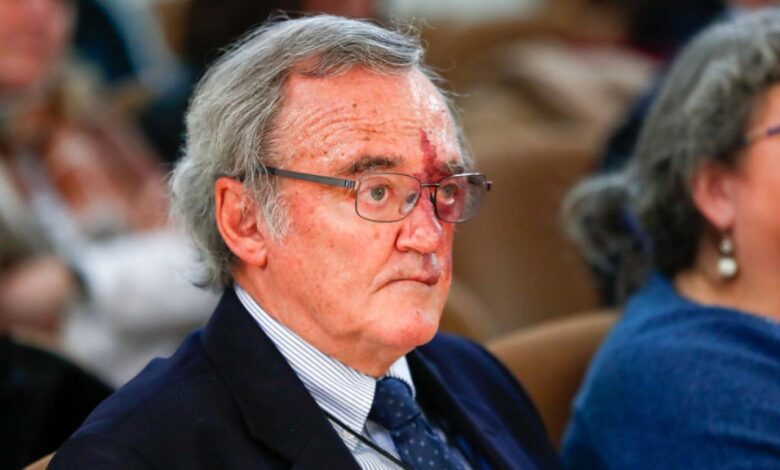
In recent days, the name Mariano Barbacid has dominated the front pages of Spanish newspapers. The head of the experimental oncology group at the National Center for Oncological Research (CNIO) has presented results already being called historic. In animal trials, researchers managed to completely eliminate pancreatic tumors using a triple therapy. This type of cancer is considered one of the most aggressive and difficult to treat, with a five-year survival rate in Spain of no more than 13%.
Triple combination
The tested method is based on a combination of three drugs that had not previously been used together. This approach made it possible to achieve complete disappearance of tumors in laboratory mice without serious side effects. The duration of remission proved to be a record for studies of this kind. According to Barbacid, it was precisely the comprehensive impact on different mechanisms of the disease that was key to this success.
The project was funded by a charitable organization specializing in supporting cancer research. Several million euros were allocated for the implementation of the program. However, it will take another two or three years and additional funding to move to clinical trials on humans. Currently, the team of scientists and the foundation are actively seeking new investors to accelerate the start of the next stage.
The path to discovery
Mariano Barbacid has dedicated most of his life to the fight against cancer. His scientific career began with the discovery of the first oncogenes, which marked the starting point for the development of molecular oncology. After many years of work in the United States, he returned to Spain, where he headed the CNIO and transformed it into one of the world’s leading cancer research centers.
Despite his administrative duties, Barbacid has never abandoned work in the laboratory. His scientific interests have always focused on finding new treatments, especially for types of cancer once considered virtually incurable. He found inspiration in a schoolteacher and a biochemistry book gifted to him in his youth. Today, at the age of 76, he continues to work, not planning to retire until an effective treatment for pancreatic cancer is found.
Spanish experience
Cancer care in Spain is considered among the best in Europe. According to Barbacid, local clinics can offer patients treatment methods that are at least as effective as those in leading US medical centers. This is further confirmed by the fact that Spanish scientists regularly receive international awards for their achievements in medicine.
Barbacid has already bequeathed part of his fortune to the foundation that supported his research. This decision highlights the importance of long-term funding for scientific projects, especially given the rise in cancer cases due to population aging. In the coming years, Spain could become one of the first countries where new treatments for pancreatic cancer are available to patients.
Context and trends
In recent years, Europe and the world have seen a surge in research aimed at developing combined therapies for challenging types of cancer. Several major laboratories in Germany and France have also reported progress in treating pancreatic tumors, but none have yet achieved results as impressive as the Spanish team. In the US, trials of new drugs are ongoing, though most remain at early stages.
The emergence of successful cases in Spain may accelerate the adoption of innovative approaches in other countries. In the near future, new international projects aimed at sharing expertise and conducting joint clinical trials are expected to launch. All of this indicates that the fight against pancreatic cancer is reaching a new level, giving patients a chance at life thanks to scientific breakthroughs.