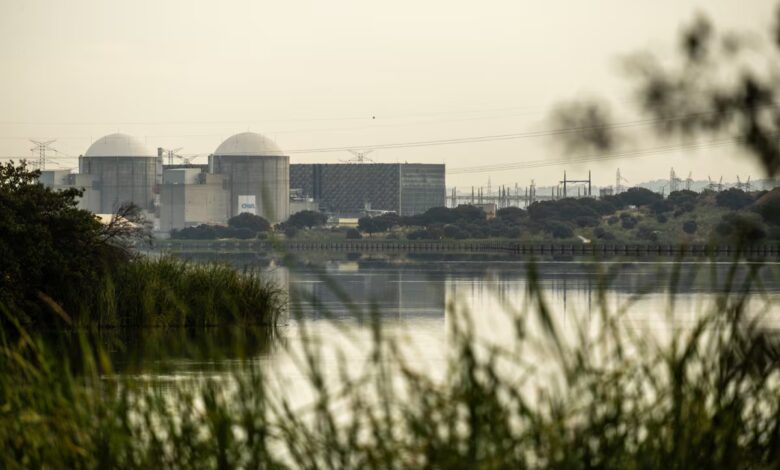
Spain is once again embroiled in a heated debate over the future of nuclear energy. The country’s Senate has unexpectedly approved an amendment delaying the closure of three nuclear facilities: Almaraz in Cáceres, Ascó I in Tarragona, and Cofrentes in Valencia. This move was made possible by an initiative from the opposition Partido Popular, which used its majority to push changes through a mobility law that originally had nothing to do with energy policy.
The amendment triggered an immediate backlash within the ruling coalition. Representatives from left-wing parties, including Podemos and Alianza Verde, tried to block the initiative, but parliamentary procedures did not allow them to do so. Meanwhile, divisions have emerged within the coalition itself: some insist on sticking to the previous agreements for a phased nuclear phase-out, while others are open to considering proposals from energy companies, provided they ensure safety and a stable power supply.
Coalition on the brink: divisions deepen
The issue of extending the lifespan of nuclear plants has become a real test for the government’s unity. Left-wing factions firmly oppose any delays, fearing a backslide on environmental goals. However, some socialists, including regional leaders, are open to compromise if it helps avoid rising electricity prices and protect jobs in regions where the plants are located.
The stance of independent parties, especially the Catalan ones, has become particularly significant. Their votes could be decisive in the final vote in Congress. So far they have not announced their position, but the government fears that supporting the amendment could lead to a shift in the country’s entire energy policy.
Impact on energy and the economy
Postponing the closure of nuclear plants could significantly affect plans to transition to renewable energy sources. On the one hand, it would help avoid power shortages and a sharp increase in electricity rates. On the other, it could slow investment in clean technologies and spark discontent among supporters of the green agenda.
A fierce parliamentary debate is expected in the coming days. The final decision will depend on whether the coalition can reach an internal agreement and persuade independent deputies to support or reject the controversial amendment. In any case, the fate of Spain’s nuclear plants is once again at the center of political battles, putting the country’s energy strategy into question.