In Spain, the struggle for control over key state institutions is intensifying once again. The decision to launch a seventh parliamentary commission to investigate RTVE’s activities in the Senate could trigger significant changes in the operations of the national broadcaster and increase political pressure on its management. For Spaniards, this may mean changes in how news is presented and how public opinion is shaped—directly impacting perceptions of what is happening in the country.
As El Pais notes, the initiative comes from Partido Popular (PP), which, thanks to its majority in the Senate, has full control of the parliamentary agenda. In recent months, the party has already secured the creation of six other commissions, each addressing high-profile topics—from the procurement of medical supplies during the pandemic to investigating the railway accident in Adamuz. Now, RTVE—the country’s largest state media holding—has come under close scrutiny.
Political control
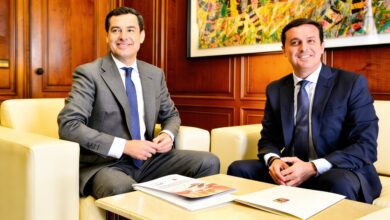
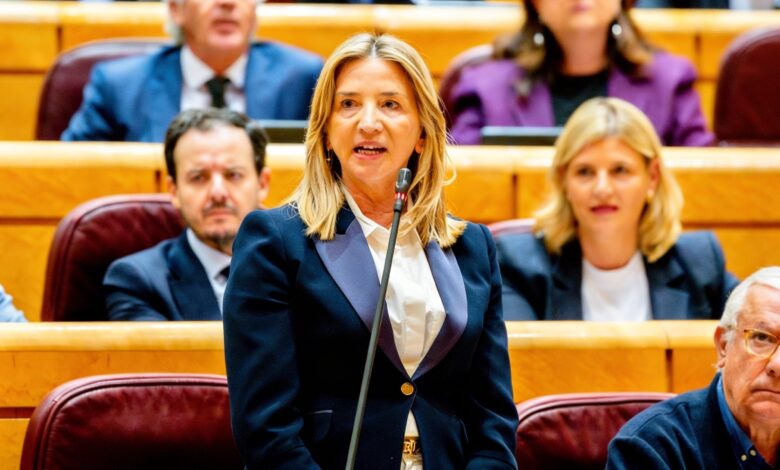
At a press conference, Partido Popular’s representative in the Senate, Alicia García, emphasized that, in her view, the current management model of RTVE has become a tool for advancing government interests. She expressed concern that the broadcaster, which should remain neutral, is turning into a mouthpiece for a single political force. García paid special attention to the appointment of José Pablo López Sánchez as head of the corporation, considering it a move that strengthens the executive’s influence over editorial policy.
The introduction of a new commission for RTVE has become a logical continuation of a series of investigations initiated by Partido Popular. Among them are the examination of the Center for Sociological Research (CIS), analysis of SEPI’s work, and review of the aftermath of the DANA disaster. This approach has already sparked debate among politicians and experts, as ongoing inspections could paralyze state institutions and make decision-making more difficult.
Consequences for the media
The decision to launch an investigation into RTVE may lead to a review of the standards for public media operations. As political parties compete for influence over informational space, journalistic independence comes under threat. According to russpain.com, such commissions often become a tool of pressure rather than a means of seeking objective solutions. As a result, viewers may see changes in news formats and an increase in politicized content.
The situation around RTVE recalls recent developments in Spain, when there was public discussion about government reshuffles and their impact on domestic policy. For example, the appointment of a new Deputy Prime Minister triggered a heated response within Partido Popular and became a new point of debate on transparency and government accountability. Such processes reflect a broader trend toward tighter controls over the country’s key institutions.
Context and new challenges
The introduction of a seventh investigative commission in the Senate highlights growing tensions between political forces. Partido Popular is leveraging its majority to advance its own initiatives, drawing criticism from the opposition and civic groups. At the same time, ongoing probes may erode public trust in state institutions and further polarize society.
According to El Pais, this practice is becoming increasingly common in Spanish politics. In recent years, parliamentary investigations have addressed not only economic and infrastructure issues, but also the activities of state-owned companies, research centers, and individual officials. This reflects the parties’ drive for maximum control over processes taking place in the country.
Looking back at recent events, it should be noted that similar commissions have already sparked high-profile scandals and resignations more than once. For example, investigations into the procurement of medical supplies during the pandemic led to contract reviews and staffing changes in several ministries. Similar developments have been seen in other European countries, where parliamentary inquiries are often used as a political tool. In Spain, such initiatives have become part of daily political life, setting new ground rules for all players involved.