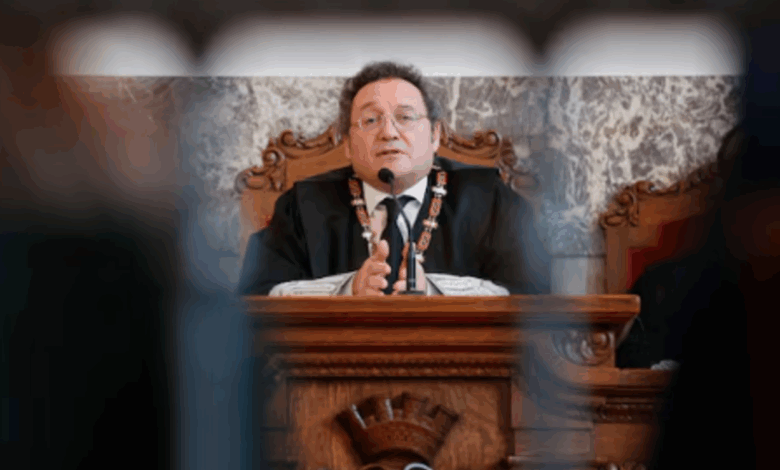
The Supreme Court of Spain has released the full text of the verdict concerning the country’s Attorney General, Álvaro García Ortiz. The document was published 19 days after the decision was announced. The spotlight is now on the details of the court proceedings and the reasoning provided by the seven judges, including a dissenting opinion from two female judges.
The published ruling thoroughly examines the circumstances that led to García Ortiz’s conviction. The judges paid particular attention to the issue of disclosing information related to lawyer González Amador, as well as the official statement released by the prosecutor’s office. The verdict analyzes the defendant’s actions and their compliance with the professional standards required for the office of the Attorney General.
Court’s reasoning
The judicial panel concluded that García Ortiz’s actions violated the regulations governing prosecutors’ conduct. Special attention was given to how the information was disseminated and whether it aligned with principles of confidentiality and professional ethics. The ruling notes that publishing certain data could have influenced other proceedings and damaged the reputations of those involved.
Two members of the judicial panel issued dissenting opinions, disagreeing with the majority. They pointed to possible alternative interpretations of the events and stressed that certain aspects of the case require further examination. Nevertheless, their position did not affect the court’s final decision.
Reaction and consequences
The publication of the verdict sparked significant reaction within Spain’s legal and political communities. Many experts note that this ruling could set a precedent for future cases involving the disclosure of official information. At the same time, there is an ongoing debate about potential changes to the regulations governing the work of the prosecutor’s office and the protocols for public communication.
The text of the verdict also analyzes the potential consequences for other officials in the event of similar violations. The judges emphasized the importance of maintaining professional standards and being accountable for actions that could undermine trust in government institutions.
Case details
During the proceedings, witness testimonies were heard and documents were presented to confirm the circumstances of the case. The court focused not only on the facts but also on the motives guiding the defendant. In particular, the intent behind publishing the information and its possible influence on public opinion were examined.
A special section of the verdict is devoted to the analysis of internal communication within the prosecutor’s office and the procedures for issuing official statements. The judges concluded that violations had occurred in this case that could not be justified by official necessity or public interest.
Looking ahead
Experts believe this verdict could lead to a review of certain procedures within the prosecutor’s office. Proposals are already being discussed to tighten control over the dissemination of information and to increase the accountability of officials. Legal professionals note that cases like this help strengthen the principles of transparency and accountability in government agencies.
At the same time, questions remain about how these new standards will be implemented in practice and how much they will affect the day-to-day operations of the prosecutor’s office. Some experts warn of the risk of excessive bureaucracy and the need to maintain a balance between transparency and the protection of confidential information.
In case you didn’t know, Álvaro García Ortiz has served as Spain’s Attorney General since 2022. Throughout his career, he has repeatedly been involved in high-profile cases and public debates on the role of the prosecution service in society. His actions often spark controversy among politicians and experts, and the decisions made under his leadership have had a significant impact on the country’s legal system.