Spain is once again debating the safety of rail transport after a series of tragic incidents that have shaken the country and disrupted the daily routes of thousands of passengers. The spotlight is now on the Minister of Transport, who was forced to personally explain the causes of the disasters and answer questions about the future of the railway system. For many Spaniards, these events mean not only temporary inconveniences but also growing concerns for their own safety when traveling across the country.
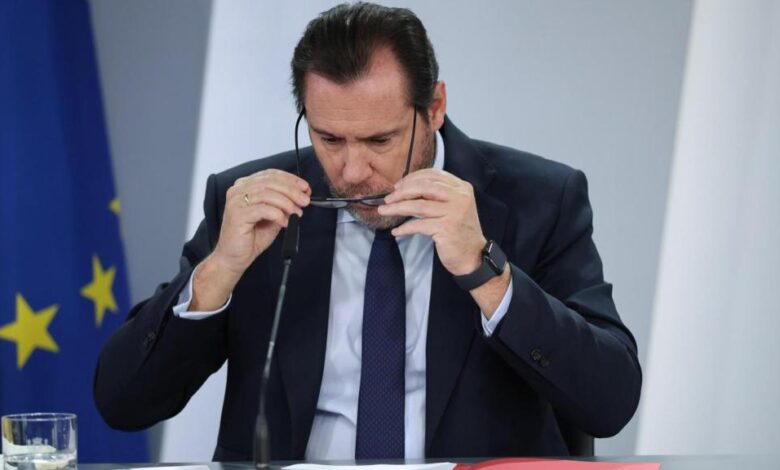
On Thursday morning, the Minister of Transport was summoned to the Senate at the opposition’s request to clarify the circumstances of two major accidents that occurred in Adamuz (Córdoba) and Gelida (Barcelona). Both tragedies resulted in casualties and caused serious disruptions to train services, including the suspension of high-speed connections between the south and the center of Spain. Forty-five people lost their lives in Adamuz, and in Gelida, the train driver was killed, sparking a wave of anger and anxiety among the public.
Causes of the accidents
The Railway Accident Investigation Commission (CIAF) has already released a preliminary report: the catastrophe in Adamuz was caused by a welding defect on the rails. This technical fault has raised questions about the quality of maintenance and modernization of the railway infrastructure. Meanwhile, representatives of the infrastructure company Adif have yet to provide full explanations as to why a complete reconstruction of the Madrid–Seville line was previously announced, when in fact not all sections had been upgraded.
In Gelida, the situation proved equally alarming: the accident resulted in the death of the train driver and a suspension of Rodalies commuter trains for several days. For residents of Catalonia, this became a serious challenge, as Rodalies is a key mode of transport for daily commutes to work and school. Questions about service quality and the technical condition of the tracks remain unresolved, and public dissatisfaction is growing.
Restoration of service
The government has announced plans to resume high-speed train service on the Madrid–Seville line within the next ten days. However, the exact date will depend on weather conditions, which could affect the pace of repair work. Judicial authorization has already been obtained to begin repairs on the damaged section, but experts warn that any delays could cause further inconvenience to passengers and economic losses for the region.
While infrastructure crews rush to eliminate the aftermath of the accidents, passengers are forced to seek alternative routes or abandon their trips altogether. Social media is abuzz with discussion: many demand transparency in the investigation and guarantees that such tragedies will not be repeated. Trust in Spain’s railway system has once again become a pressing issue.
Reaction and expectations
The Senate session with the participation of the Minister of Transport turned into a heated debate between government and opposition representatives. The discussion covered not only the technical aspects of the incidents, but also the responsibility of state agencies for the safety of citizens. Some senators insisted on the need to review standards for the monitoring and maintenance of railway lines, as well as to tighten requirements for contractors.
While the investigation continues and restoration work is in full swing, Spanish society awaits answers to key questions: who is responsible for the tragedies, and what will be done to prevent new accidents. For many residents, these events have become a stark reminder of how vulnerable an everyday transport system can be when oversight and modernization are sacrificed for formal reports.