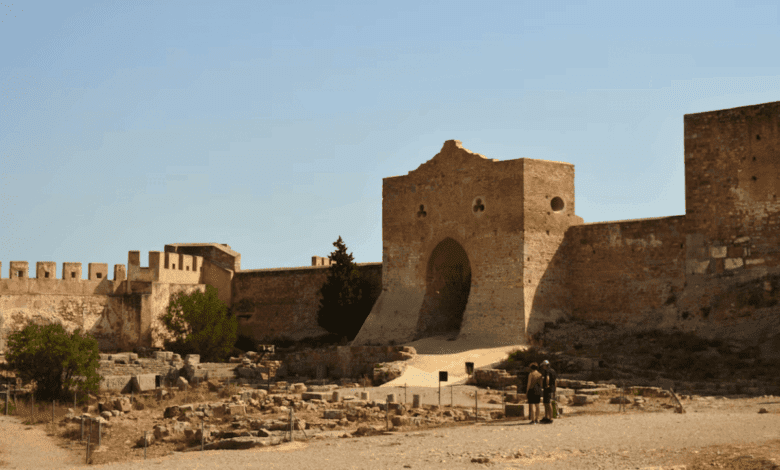
In the coming years, Sagunto is set for changes that will impact not only the city’s appearance but also its role in Spain’s cultural life. The Ministry of Culture is launching an ambitious program to preserve and develop two key sites — the Teatro Romano and Castillo de Sagunto. These measures aim to transform the management of historical heritage and strengthen the region’s position on the country’s tourist map.
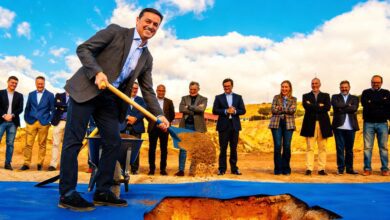
The decision to create a new master plan for both landmarks was made after the completion of major restoration work at the castle. Now, the authorities intend not just to maintain the sites but to build a unified strategy that brings together efforts at all levels of government — from the municipality to the regional and national administrations. According to El Pais, for the first time in years, representatives of all branches of government met on site to discuss joint action.
Action plan
The Spanish Cultural Heritage Institute (IPCE) will develop a comprehensive plan outlining priorities, standards, and the sequence of work. The document will set out measures to ensure preservation, improve visitor access, maintain infrastructure, and foster interagency coordination. The project is expected to be ready by 2026, with implementation beginning immediately after approval.
An important part of the initiative will be the creation of a working group that will include representatives from various administrations and experts from different fields. This approach will take into account not only technical, but also social aspects — the opinions of residents, the needs of the city, and proposals from local organizations. According to El Pais, in recent years, the lack of coordinated solutions has hindered the effective development of these sites.
Financial investments
Over the past two decades, the state has invested more than 5 million euros in the strengthening and restoration of the complex. More than one million euros were spent on recent works to restore the castle and the archaeological zone alone. The authorities of the Valencian Community (Generalitat Valenciana) are also actively participating in funding: since the beginning of the current legislature, over 6 million euros have been allocated to the preservation of monuments, and another two million are planned to be added in the near future.
Part of the funds are directed towards educational and cultural programs, strengthening security, repair, and modernization of infrastructure. For example, electrical systems are being upgraded, accessibility improved, and urgent repairs carried out at Teatro Romano to address damage from bad weather. The archaeological museum is preparing for a major renovation, and a project to improve tourist routes and safety is being developed for the castle.
Challenges and prospects
Despite significant investment, regional officials emphasize that fully preserving and developing the complex requires more resources and closer cooperation with the central government. The issue of financial responsibility remains unresolved, as the sites belong to the state, yet most expenses often fall on the shoulders of the autonomous community and the municipality.
City authorities note that residents and civic organizations have long called for greater transparency and coordination among all parties involved. A recent joint meeting bringing together representatives of various political groups and cultural associations marked an important step toward creating a unified body to manage Sagunto’s historical heritage. According to the mayor, this could be a turning point for the city and set a new standard nationwide.
In recent years, Spain has seen an increasing number of projects focused on comprehensive restoration and reinterpretation of historical monuments. For instance, similar initiatives in Mérida and Tarragona have not only helped preserve unique sites but also attracted new tourists, created jobs, and boosted local cultural interest. These examples show that well-managed heritage brings tangible benefits not only to history, but also to the regional economy.