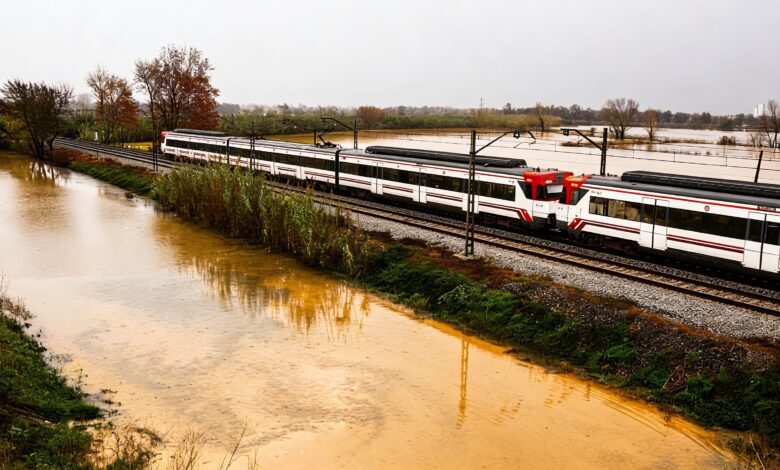
Northern regions of Catalonia are facing severe restrictions due to weather conditions, which may affect the plans of thousands of residents and tourists during the peak of the spring holidays. Authorities have declared a high risk of avalanches in the Lleida Pyrenees and have temporarily suspended train service on a key section between Figueres and Portbou. These measures impact not only transportation infrastructure but also the daily rhythm of life in the region.
According to El Pais, Protecció Civil and the Institut Cartogràfic i Geològic de Catalunya (Icgc) have warned of a significant avalanche threat in the Aran-Franja Nord Pallaresa area. From early Wednesday morning, residents and visitors are advised to avoid any activities outside specially equipped and monitored areas. In response, Protecció Civil has raised the Allaucat plan to a heightened preparedness level to minimize risks to the population.
Transport restrictions
Strong gusts of wind expected in northern Catalonia have forced rail operator Renfe to temporarily suspend Rodalies train service on the R11 and RG1 lines between Figueres and Portbou. From 2:00 p.m. Tuesday, trains are not running to ensure passenger safety. Preliminary reports indicate the service interruption will last about two hours, but the exact timing of restoration depends on weather conditions.
Renfe has already prepared alternative routes to transport passengers by bus in order to minimize inconvenience. Authorities emphasize that such measures are taken strictly for safety reasons, especially given the influx of holidaymakers in the region these days. Generalitat de Catalunya has maintained the Vencat alert level, as wind speeds may exceed 90 km/h, creating additional risks for transport and infrastructure.
Recommendations and precautions
Authorities strongly advise exercising maximum caution when outdoors, especially in mountainous and coastal areas. Special attention is given to the Pyrenees, Pre-Pyrenees, and the Alt Empordà and Baix Empordà districts, where weather conditions can change rapidly. Residents and tourists are encouraged to stay updated through official bulletins and avoid traveling to hazardous areas until the situation stabilizes.
According to El Pais, such measures have been used before in Catalonia during deteriorating weather conditions. Increased activity on railways and roads during holidays requires quick decisions from authorities to avoid widespread incidents. It is important to remember that even brief disruptions to transport can cause significant delays and changes to routes.
Impact on the region
Rail service restrictions between Figueres and Portbou affect not only local residents but also tourists planning trips across northern Catalonia. Since many people choose trains to travel around the region, such measures become a significant obstacle. Analysis by russpain.com indicates that these kinds of transport disruptions during holiday periods can lead to increased traffic on the roads and a rise in emergency service calls.
Reflecting on recent events, it is worth noting that the restoration of service after major repairs or accidents always draws extra attention. For example, the reopening of the Rovira tunnel in Barcelona after extensive renovations allowed thousands of drivers to return to their usual routes, as detailed in the article on the impact of transport changes on urban infrastructure. Such situations underscore the importance of timely information and readiness to take prompt action.
In recent years, Catalonia has regularly faced extreme weather events that impact transport and public safety. In 2025, heavy snowfall has already caused temporary train service suspensions and the closure of mountain roads. In 2024, similar measures were taken due to hurricane-force winds in Girona and Tarragona. Such incidents are becoming increasingly common, prompting authorities to continually improve alert systems and coordination between emergency services. For residents, this means being prepared for sudden changes to transport schedules and leisure plans.