A new debate over housing policy is flaring up in Spain. Leaders of the Sumar movement insist that the government must end its unilateral actions and begin real negotiations with its allies. In their view, President Pedro Sánchez’s latest initiatives not only fail to address the problem but actually worsen the situation in the rental market.
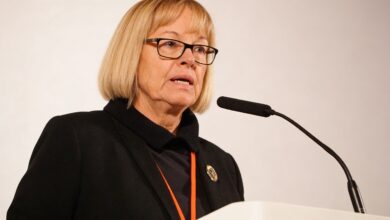
Lara Hernández, one of Sumar’s leaders, stated openly that this week’s housing plan lacks support both within the government and in parliament. She believes that trying to resolve the crisis through tax breaks for landlords amounts to nothing more than a temporary measure that does not address the root issue. According to her, such steps end up being gifts for property owners rather than real help for those truly in need of housing.
Initiatives under fire
Sumar argues that PSOE’s current path is a dead end. Instead of real reforms, Spaniards are being offered more promises and superficial changes. Hernández stresses that if the government wants to preserve the coalition, it must abandon the practice of unilateral decisions and come to the negotiating table with its partners. Only then, she says, can effective policies be developed that benefit not just political forces, but ordinary citizens as well.
Sumar representatives are particularly outraged by the idea of offering tax benefits to landlords. In their view, this measure not only fails to help tenants but also creates additional incentives for price hikes. As a result, young families and vulnerable groups find themselves in an even more difficult situation, and the housing market becomes increasingly inaccessible.
Demands on the authorities
The Sumar movement insists that any decisions regarding housing must be made only after consultation with coalition partners. Otherwise, they warn, the crisis will only worsen. Hernandez is confident that no progressive party will support initiatives that effectively protect the interests of property owners rather than tenants.
Tensions are rising within the coalition. Sumar is demanding not just consultations, but a full-fledged dialogue and joint development of strategy. They believe that only through this approach can real change be achieved and public trust in the government restored. Otherwise, they warn, a political crisis is inevitable.
Public reaction
Public opinion in Spain is increasingly leaning toward the idea that the current measures are not working. People are tired of promises and want concrete action. Many believe that tax breaks for landlords are simply a way to postpone solving the problem, not to address its root causes. As a result, dissatisfaction is growing and trust in the authorities is falling.
Sumar is convinced that if the government does not change its approach, the ongoing housing crisis could escalate into social unrest. They are calling for urgent negotiations and a compromise solution that satisfies all parties. Otherwise, they warn, the consequences could be unpredictable.
Earlier, we covered this in our article about the launch of the new national housing plan for 2026–2030. At the time, authorities promised sweeping reforms and new laws aimed at transforming the rental market. Find out what officials are concealing and why the new housing council is sparking so much debate in our full report Spain’s National Housing Plan for 2026–2030 will be launched this spring.