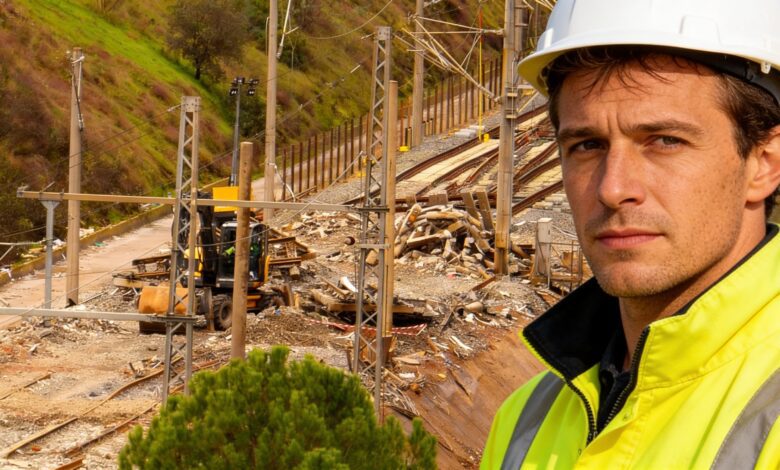
Incidents on the Madrid-Seville railway line have once again drawn attention to safety concerns on Spain’s main routes. For residents of the country, this is more than just another accident—it’s about trust in the infrastructure that millions depend on every day. New technical data could change the course of the investigation and influence future decisions in the transport sector.
Alarm signal
As El Pais reports, experts from Hitachi—the company responsible for maintaining the signaling system in this sector—recorded a sharp drop in voltage in the rail circuit on January 17. This malfunction happened 22 hours before the Iryo train derailed near Adamuz (Cordoba), leading to a collision with Alvia and many casualties. According to experts, such a drop in voltage may indicate rail damage or a problem with a welded joint, which has become one of the main lines of inquiry for investigators.
The Rail Accident Investigation Commission (CIAF) is considering the possibility of a break in a rail installed in 2023 or at its joint with an older element at kilometer 318 on track one towards Madrid. According to preliminary information, it was at this location that the tragedy occurred, claiming 46 lives. The Hitachi report does not yet offer definitive conclusions but is now a key part of the evidence base being analyzed by investigators.
Investigation details
On the day the malfunction was recorded, the last train passed through the section without any official reports of problems. The following day, Iryo, Ouigo, and Renfe trains continued to run on the line, and none of the drivers reported any suspicious signs. Only one engineer, interviewed after the accident, recalled an unusual jolt near the Adamuz technical station. Investigators are comparing these statements with technical evidence found on the wheels and rails to determine the exact moment the defect occurred.
At the same time, the court in Montoro (Cordoba) has yet to decide which laboratory will analyze the confiscated rail and welding fragments. This decision could affect both the speed and quality of the examination. According to RUSSPAIN.COM, the course and outcome of the investigation may become decisive for future safety standards on the nation’s high-speed lines.
Impact on the transportation system
Attention to maintenance details and analysis of warning signals has become crucial to prevent such tragedies. As reported by El Pais, investigators are closely examining every possible correlation between technical failures and physical damage along the section. Special attention is being paid to the fact that only three trains before the accident sustained wheel damage, which may indicate when the defect first appeared.
Within the investigation, it is also important to take previous publications on the topic into account. For example, a new analysis of black boxes and technical data has already helped clarify the causes of the collision and reveal additional details that had not been previously considered. This highlights the complexity and multifaceted nature of investigating such incidents in Spain.
Context and similar cases
In recent years, Spain has faced several serious rail incidents where technical failures or outdated infrastructure have led to accidents. In 2023, the modernization of several sections was discussed, but not all projects were completed on time. Similar cases in Europe show that even modern systems require constant monitoring and updates. Questions about weld quality and timely technical inspections remain relevant for all countries with developed high-speed rail networks.