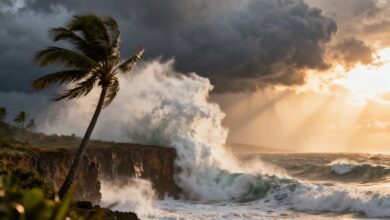
A sharp rise in weather threats on Tenerife has forced local authorities to take emergency measures directly affecting the daily lives of residents. The highest alert level has been declared in the metropolitan area, while the rest of the island remains on heightened readiness. The cause is the unstable storm Therese, which has brought heavy rainfall and created safety risks for the population. According to RUSSPAIN, the situation is developing rapidly, with each new decision by the authorities impacting transport, leisure, and emergency services operations.
Authorities emphasize that the main priority is to minimize risks to people and infrastructure. Record rainfall has already been recorded since the morning, with some areas receiving up to 80 liters of water per square meter. Forecasts from meteorologists remain grim: heavy rain continues and the storm’s behavior remains unpredictable. As a result, residents are advised to avoid travel and refrain from any activity in potentially hazardous areas.
Restrictions and bans
Key measures include the complete closure of the road to Punta de Teno (TF-445), as well as all access routes to Teide National Park (TF-21, TF-24, TF-38). Access to mountain trails, forest roads, recreation areas, and protected natural zones is forbidden. All cultural, sporting, and public events have been canceled until further notice. Municipalities are recommended to activate their own response plans and increase oversight in areas prone to flooding and landslides.
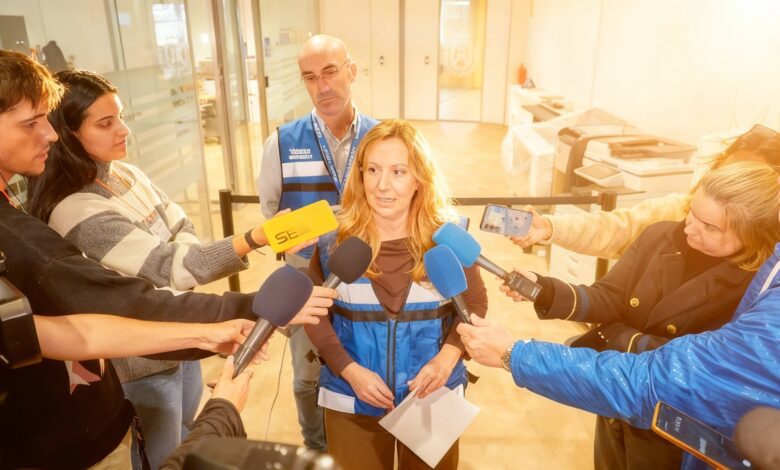
Special attention is being paid to road safety and areas near bodies of water. Authorities advise avoiding any movement, especially near ravines and the coastlines, where the risk of sudden flooding is highest. All emergency response services have been placed on full alert, with coordination managed through the central CECOPIN headquarters.
Emergency services operations and recommendations
According to emergency service officials, the main danger comes from localized but very intense downpours, which can quickly raise water levels in urban areas and natural ravines. In such conditions, even a short trip or walk can carry serious risks. Authorities urge residents to closely follow official announcements and not to ignore safety recommendations for personal and mutual protection.
Municipalities have received instructions to implement additional measures: schools will temporarily close, sports activities are suspended, and the operation of some institutions is restricted. Coastal areas are seeing increased monitoring of access to beaches and promenades. If the situation worsens, more restrictions may be introduced.
Weather risks and lessons from past years
According to RUSSPAIN, such weather phenomena are not new to the Canary Islands. In recent years, the islands have already faced storms that caused temporary disruptions to transport, power outages, and localized flooding. For example, in 2023, a similar situation led to the evacuation of several communities and significant losses for local businesses. Authorities emphasize that timely response and strict restrictions help reduce damage and prevent tragedies.
Overall, experience from previous years shows that in such weather conditions, it is important not only to react quickly but also to inform the public in advance about potential risks. This time, special attention is being given to coordination between municipalities and emergency services to minimize the impact on residents and infrastructure.