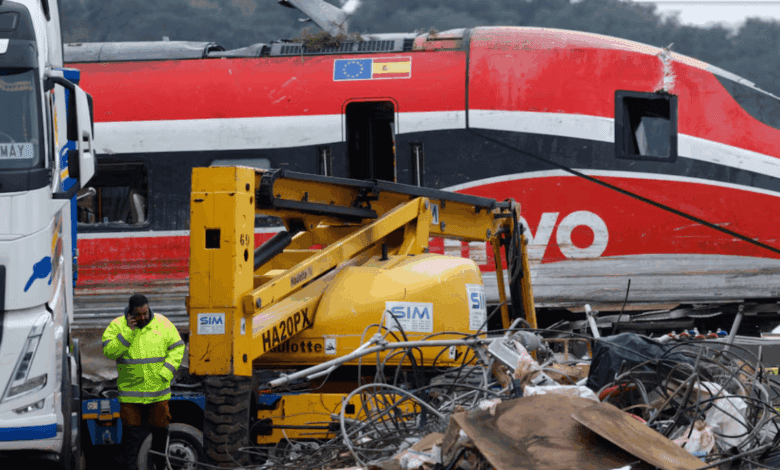
In Spain, passions continue to run high over the railway tragedy in Adamuz (Córdoba), where the collision of two trains resulted not only in human casualties but also unleashed a true storm in the media. Renfe, at the center of the scandal, is forced to defend itself before the public and authorities, revealing new details about its actions in the first minutes after the accident. Chaotic official reports, unexpected admissions, and emotional conversations among employees further fuel interest in the investigation and raise new questions.
Immediately after the incident, Renfe representatives claimed they learned of the disaster almost instantly and began alerting emergency services within five minutes. However, discrepancies in the timeline and confusion in testimonies from different agencies sparked a wave of mistrust. In an attempt to restore confidence, the company published a detailed list of calls and communications to prove its efficiency and transparency in managing the crisis.
The first minutes
The evening of January 18 proved fatal for the passengers of Alvia 2384, traveling the Madrid-Huelva route. At 19:46:24, just three minutes after colliding with the Iryo train en route from Málaga to Madrid, the first distress call was received. The train inspector, in a state of shock, reported a serious accident, complaining of a severe blow to the head and loss of orientation. Her voice, filled with confusion, was the first sign of the scale of the tragedy.
In response to this call, the Renfe Operations Control Center (CGO) staff tried to reassure the injured party and promised to address the situation immediately. However, even several minutes after the initial report, none of the personnel could precisely locate the train—the inspector did not know her location, and the train driver was no longer in contact.
Precious seconds lost
At 19:48:05, the inspector called again, this time stressing the seriousness of the incident. By then, she remained the only link between the crashed train and the outside world—no one yet knew about the driver’s death. Renfe and Adif employees continued to coordinate their actions, but reliable information about the condition of the train and the number of victims was still unavailable.
Seven minutes after the crash, at 19:50:46, the inspector reported other injuries. Only then did it become clear that the situation was escalating, and passengers were trying to escape from the carriages on their own by breaking windows. At that point, CGO staff announced that the train was in Adamuz and confirmed it had stopped.
Technology and limitations
Renfe had previously stated that all trains were equipped with GPS systems. However, at the Adif control center, operators could only see that the train was on a certain section of track and could not determine its exact state—whether it was on the rails, derailed, or overturned. According to Adif chief Pedro Marco, no technology in the world can provide real-time insight into what exactly is happening with a train on the dispatchers’ screens.
During further discussions with local staff, it became known that passengers started leaving the carriages on their own, breaking windows to do so. At that time, Renfe dispatchers continued to try to contact the train driver, but without success. According to eyewitness accounts, many passengers called the 112 emergency service directly, trying to get help without waiting for official railroad action.
Chaos and questions
This entire chain of events, marked by emotional conversations and confusion among various services, triggered a wave of criticism toward Renfe and Adif. The public is demanding answers: did the company actually act as quickly as possible, or were precious minutes lost due to confusion and technical limitations? The release of the audio recordings of the conversations only escalated the situation, revealing how disoriented and uncertain staff were in the first moments after the disaster.
The scandal around the Alvia 2384 accident continues to grow. New details emerging from the investigation cast doubt on official statements and raise concerns about the actual readiness of railway services for emergencies. Questions are increasing, while clarity is in short supply.