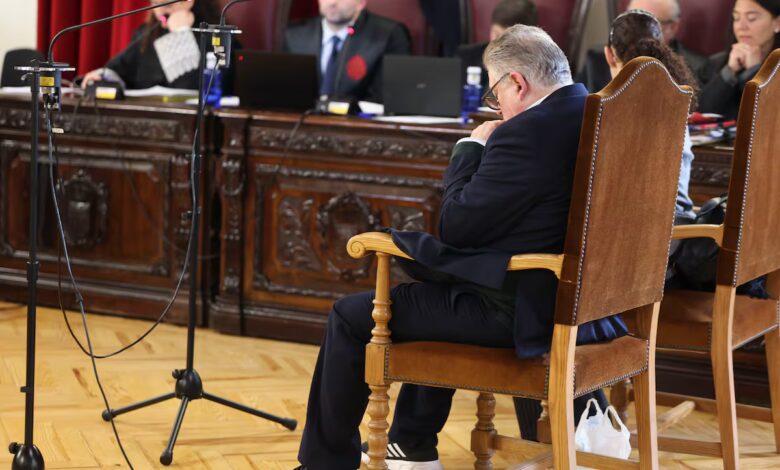
A court case in Toledo has captured national attention due to its implications for Spain’s emergency medical system. On trial are a doctor and a nurse accused of failing to provide timely assistance to a young football player. The incident has sparked debate on how quickly and efficiently emergency services operate in smaller towns across the country.
In January 2018, a tragedy struck at the Corral de Almaguer sports ground: 21-year-old Cristian Paniego lost consciousness during a football match. He had an undiagnosed heart condition that had never prevented him from playing sports before. After collapsing and hitting his head, a chain of events unfolded which, according to his family, ultimately cost him his life.
Incident timeline
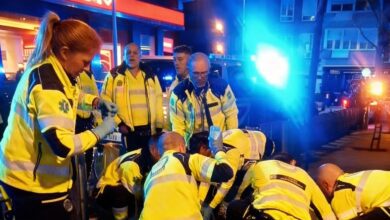
Immediately after the incident, Cristian’s friends called emergency services, but according to his relatives, help arrived almost half an hour later. The stadium had a defibrillator, but no one present knew how to use it. While some dialed 112, others rushed to the local medical center, just 650 meters from the gym, to seek assistance.
That day, two medical teams were on duty at the clinic. According to the prosecution, the nurse reported that one team was already out on a call, while the second could not leave the center due to protocol and lack of transport. Christian’s friends offered to drive the medics in their own car, but the family claims they were refused. As a result, the young man was taken to the Toledo hospital, where he died the next day.
The positions of the parties
At trial, the family of the deceased withdrew their claims against the doctor but is seeking a three-year professional ban, a fine, and compensation for the nurse. The prosecution, on the other hand, believes that the tragedy resulted from a series of misunderstandings rather than criminal negligence. In their view, none of the medical staff breached their duties, and the situation developed too quickly and unpredictably.
The nurse explained that preparing equipment for departure would have taken time, while the arriving ambulance already had everything needed. She also claimed that the first person who sought help did not mention the seriousness of Christian’s condition and only described a head injury. It was only after repeated appeals from relatives that it became clear a serious cardiac problem was involved.
Contradictions in testimonies
The physician on duty at the time stated that he had not been informed about the incident. According to him, if he had known about the young man’s critical condition, he would have immediately gone to help. The nurse, in turn, claims she told her colleague about the injury but did not provide details. Time continued to work against the victim.
The family’s lawyers believe that the medical staff’s actions were insufficient and that calling 112 does not absolve them of responsibility. In their view, only being present on the scene could have changed the outcome. During the trial, Cristian’s mother testified that she asked the nurse to come out and help, explaining that her son suffered from a heart condition, but her request was refused.
Expert assessment
After hearing witness and expert testimony, both sides presented their conclusions. The prosecution fully justifies the actions of the medical staff, arguing they acted professionally and could not have predicted the tragic outcome. The court expert pointed out that the lack of information about the victim’s condition made decision-making difficult. According to specialists, the situation developed too quickly for negligence to be a factor.
According to El Pais, such incidents spark heated debates in Spain about the preparedness of emergency services and the need for the public to learn first aid skills. In recent years, there have already been cases in the country where delays or uncertainty in actions led to serious consequences. The question of who should respond and how in critical situations remains unresolved and calls for new solutions.