In the small Catalan town of La Sénia, home to just over five thousand residents, the new year kicked off with a loud and unexpected event. Hundreds of young people from across Europe gathered here for a large-scale illegal party that began on the night of January 1 and, according to local authorities, could last until Epiphany. Locals and officials found themselves at the center of events that have completely disrupted the town’s usual pace of life.
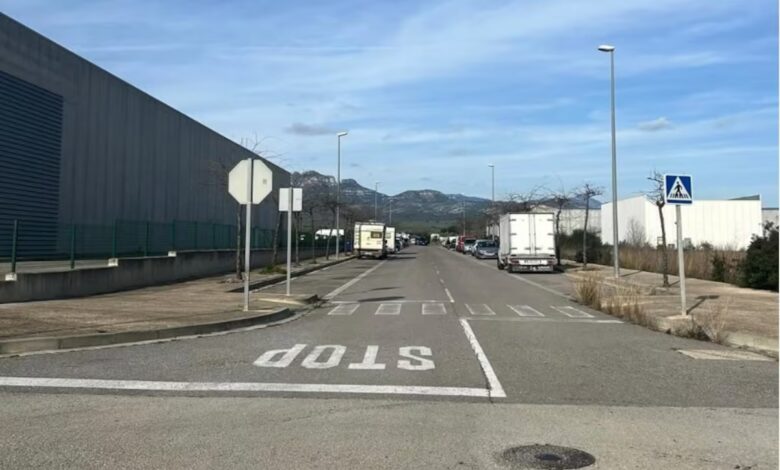
It all started in the industrial zone of Mataltes, where a biomass processing plant was once planned but never completed. Vans, caravans, and cars with foreign plates began to appear. No one paid much attention to the unusual activity on the last day of December: at the local Spar supermarket, staff didn’t notice anything suspicious, even though dozens of unfamiliar young people came in buying food and alcohol.
The Invasion of the Guests
By the morning of January 1, it was clear: a full-fledged rave had taken over two unfinished hangars. The music didn’t stop for a minute, and a steady flow of people coming and going was monitored by Catalonia’s police. Everyone leaving the party by car had their documents and sobriety checked, including tests for alcohol and drugs. Those making their way out across the fields on foot could easily disappear into the surroundings—and even head home to another country.
Victoria Almuni, the mayor of the city, admits: La Sénia has never seen such an influx of visitors. Cars with plates from Germany, France, Italy and other countries could be spotted in the parking lot. The organizers didn’t pick the spot by chance — the hangars are deep inside the industrial zone, concealed from the road, with no doors or windows, making access easier. One of the buildings was once meant to house a factory, but the 2008 crisis froze the project, and now the space has become a perfect shelter for an illegal party.
Local response
Residents of La Sénia are divided. Some believe what’s happening is a disaster for their peaceful town: noise, litter, damaged fields, and safety concerns. Farmers, in particular, have suffered — it’s olive harvest season, and visitors’ cars are tearing up the crops. The mayor urges farmers to document the damage and file complaints to raise awareness of the problem.
Others, on the contrary, say the rave attendees aren’t causing serious harm or clashing with locals. Still, the mood in town is tense. Warehouse owners fear for their property, while residents complain about constant noise and feeling besieged.
Police on guard
In recent days, an unprecedented police presence has descended on La Sénia. Normally, the city is served by a station in Amposta, about half an hour away, and locals have long complained about a lack of law enforcement. But now things have changed: patrols monitor entry and exit points, inspect vehicles, and record violations. In just one night from Friday to Saturday, around 90 people left the area, all intercepted and checked by the police.
Despite heightened security, authorities still can’t fully control the situation. The party organizers remain unresponsive, and attendees keep celebrating as if nothing is happening. The city is tense, waiting for it all to end.
Counting on the cold
The mayor hopes the cold weather will send the visitors home earlier than planned. For now, even food trucks operate in the industrial zone, and the party feels like a self-sufficient city within the city. Authorities urge warehouse owners to reinforce entrances so this doesn’t happen again.
The situation in La Sénia has become a real test for both locals and the police. A city used to a quiet life has found itself in the spotlight across Catalonia. While some hope the party wraps up soon, others are already considering how to protect themselves from similar surprises in the future.