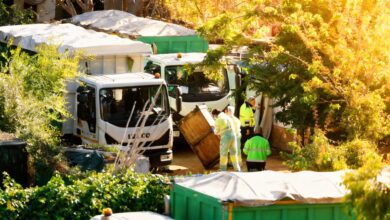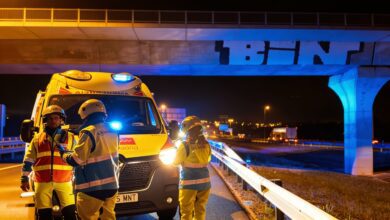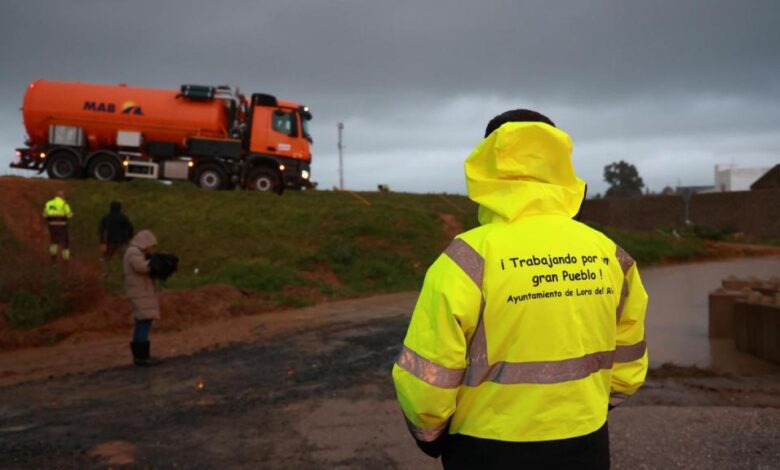
The aftermath of the recent storms in Andalusia has affected nearly every family in the region. Mass evacuations, school closures, and transport disruptions became a reality for thousands of residents. Now, as the majority of people return to their homes, it is clear: the damage is extensive, and the recovery has only just begun.
Regional authorities have announced the reopening of most educational institutions and day centers. This is an important step toward restoring normal life. However, despite the improvement in weather conditions, concerns remain: forecasters warn of an approaching new front of precipitation that could again complicate the situation in areas like Grazalema, Ronda, and Campo de Gibraltar. Rainfall is expected to be less intense than previously forecasted, but municipalities remain on high alert.
In recent weeks, Andalusia has faced a series of storms, including the particularly memorable ones named ‘Cristine,’ ‘Joseph,’ and ‘Marta.’ These weather events led to flooding, infrastructure damage, and significant economic losses. Preliminary estimates suggest that damage to roads and agriculture alone totals around 3.5 billion euros. Agriculture, a key sector of the region’s economy, suffered especially severe losses—with up to 75% of croplands damaged, according to the head of the autonomous community.
Back to Life
Starting Monday, most students will return to school, although in some towns in the province of Cádiz, classes have not yet resumed. This includes Benaocaz, Grazalema, Benamahoma, Torrealquímide, and Ubrique. Additionally, there are still issues affecting 67 educational institutions in other parts of Andalusia, and 68 school bus routes remain temporarily suspended.
The territorial emergency plan remains active in its second phase. Authorities stress that despite improved weather conditions, it is too early to relax. Monitoring of rivers and reservoirs continues to prevent new emergencies. At the same time, evacuations are no longer taking place—on the contrary, residents are returning to their homes, with local administrations helping them to cope with the aftermath of the disaster.
Transport and infrastructure
Rail connections are gradually being restored. After numerous cancellations and delays, some routes have reopened to passengers, including the high-speed line between Sevilla and Córdoba. A full assessment of the damage is expected to begin midweek, once the severe weather recedes. Regional authorities have already stated that a budget review and a reallocation of funds for recovery will be necessary.
At the same time, the Andalusian government has appealed to the central authorities for funds from the reserve fund. Regional leaders are also calling for support from the European Union through the Solidarity Fund. Spain’s Ministry of Finance has pledged to declare the most affected municipalities disaster zones and to carry out all necessary procedures to receive assistance.
Response and support
During the discussion of support measures, it was recalled that similar requests had previously been sent to Brussels after the catastrophic rains in Valencia, but the allocated sums covered only a small fraction of the damage. Now, representatives at all levels of government are emphasizing the importance of joint efforts for a swift recovery of the region. In the coming days, decisions on additional support measures and the launch of new aid programs for those affected are expected.
Recalling recent events, it is worth noting that similar disasters have repeatedly struck Andalusia. For example, last month RUSSPAIN.COM published a detailed report on mass evacuations and road closures caused by a storm that virtually paralyzed life in the region. In the article about mass evacuations and canceled classes in schools, it was emphasized how rapidly the situation can change and how important it is to be prepared for new challenges.
Context and consequences
In recent years, Andalucía has faced increasingly frequent extreme weather events. Seasonal downpours and storms have led to floods, infrastructure damage, and significant economic losses. In 2023, a similar situation occurred in Murcia and Valencia, where heavy rains forced the evacuation of entire neighborhoods and recovery efforts lasted for months. In 2024, comparable problems arose in Galicia, where raging storms prompted the temporary closure of dozens of schools and suspended rail services. Each time, these events test local authorities and residents, demanding a swift response and coordinated action from all services. Experts warn that, amid a changing climate, such disasters may become ever more frequent and destructive.