While property prices in Spain’s major cities continue to break records, the province of Badajoz offers true market anomalies. Here, far from the bustle of the capital, the price per square meter is lower than in most other regions of the country. In 2025, the average price in the province is 982 euros per square meter, but there are three towns where this figure doesn’t even reach 600 euros. What do these numbers mean, and why are these towns becoming increasingly attractive to buyers?
Let’s take a look at what sets Montijo, Llerena, and Azuaga apart—three towns where housing remains affordable despite the nationwide rise in prices. Each boasts its own history, unique atmosphere, and features that may appeal not only to locals but also to those seeking new opportunities for living or investment.
Montijo: Traditions, Modern Life, and a Prime Location
Montijo, located just 30 kilometers from the provincial capital, has long been considered one of the region’s most livable towns. Here, the average price per square meter is 568 euros. The town blends agricultural tradition with contemporary trends: historic houses, new residential developments, and revitalized public spaces line its streets.
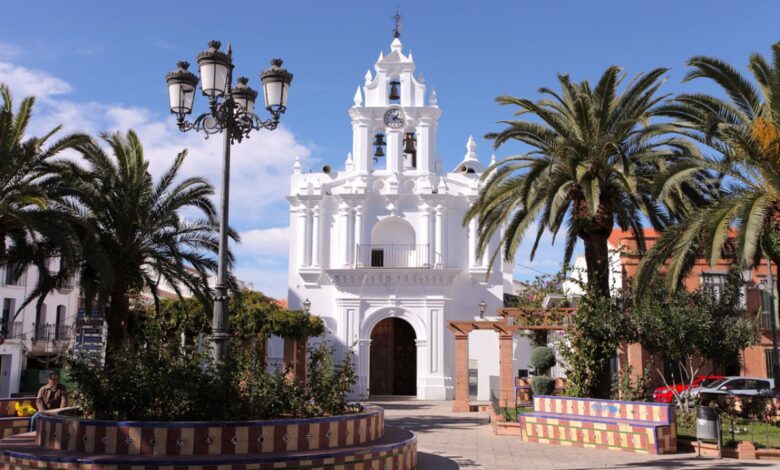
Historically, Montijo developed thanks to its fertile lands irrigated by the Guadiana River. Notable architectural landmarks include the Renaissance-style San Pedro Apóstol church, the Poor Clares monastery, and charming squares where life moves at a relaxed pace. Transportation is another advantage: the train station, bus routes, and good roads provide quick access to Badajoz and other cities.
Llerena: cultural heritage and modern infrastructure
Llerena ranks second in the province for affordable housing, with an average price of €558 per square meter. The city is renowned for its rich historical legacy; in the 15th century, it was a key administrative and religious center of Extremadura, attracting artists and craftsmen. It’s no surprise that Llerena is often called the “Little Athens of Extremadura.”
A walk through the historic center reveals the porticoed Plaza Mayor, the church of Nuestra Señora de la Granada with its magnificent Baroque altar, and the former Inquisition tribunal building. Elegant streets and houses with coats of arms recall its past grandeur. Today, Llerena offers more than cultural heritage: schools, medical centers, and cultural venues attract residents from neighboring towns. Badajoz is just over 60 kilometers away.
Azuaga: the lowest property prices and traces of an industrial past
Azuaga stands out as the most affordable place for housing in Badajoz, with an average price of just €478 per square meter. This town, one of the cheapest in Spain, is steeped in centuries of history. The first settlements appeared before Roman times, but Azuaga gained particular significance during the period of Muslim rule. According to one version, the town’s name comes from the Arabic ‘Al-Zuwāga.’
After the Reconquista, Azuaga became part of the territories controlled by the Order of Santiago (Orden de Santiago), cementing its strategic role in the region. In the 15th and 16th centuries, the town experienced a construction boom: monumental churches and mansions were built, and the streets of the historic center still preserve their old-world charm. Among the main attractions are the church of Nuestra Señora de la Consolación, an impressive Gothic structure, the medieval Miramontes castle, and the ancient San Blas chapel.
Industrial heritage and new opportunities
In the late 19th and early 20th centuries, Azuaga became one of the region’s industrial centers due to its lead, silver, and zinc mining. Traces of this era remain visible: old factory buildings, smokestacks, workers’ houses, and remnants of mines create a unique industrial landscape. Today, these sites are part of the cultural heritage and attract both researchers and tourists.
Despite low prices, demand for housing in Azuaga is gradually increasing. People seeking a peaceful lifestyle are moving here, as well as investors counting on future price growth. The town maintains its authenticity and offers a unique blend of history, nature, and affordability.
By the way: Badajoz – more than just a province
Badajoz is the largest province in the autonomous community of Extremadura and one of the most expansive in Spain. The city of Badajoz, its administrative center, sits on the border with Portugal and is known for its Alcazaba fortress, historic bridges, and vibrant cultural life. The province is famed not only for its history but also for its gastronomy: local cheeses, jamón, and wines are popular across the country.
The regional economy has traditionally relied on agriculture, but in recent decades tourism and small businesses have been on the rise. Badajoz frequently hosts festivals, fairs, and cultural events, attracting visitors from across Spain and neighboring Portugal. Despite being far from the sea, the province offers plenty of opportunities for outdoor activities and trips to picturesque villages and natural parks.