The issue of water resource allocation has once again come to the forefront for millions of Spaniards. Murcia, Andalusia, and Valencia have united with a single demand: the country needs a new national water pact to end inequality between regions and ensure stability for agriculture. At stake are not only harvests, but also jobs and the future of entire areas dependent on water.
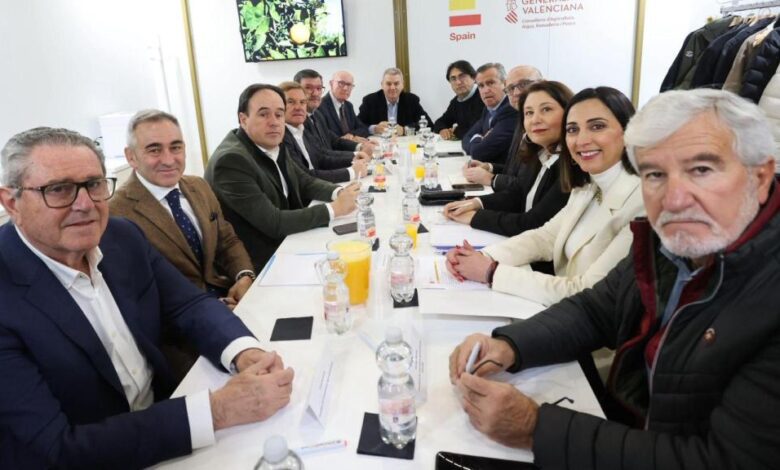
During a recent meeting at the major agri-food exhibition Fruit Logística in Berlin, representatives of the three autonomous regions openly declared the need for urgent change. They emphasized that they have invested heavily in modernizing irrigation systems and improving water use efficiency. However, without national-level support, these efforts may be in vain. The main focus was on protecting the region’s vital Tajo-Segura canal (Trasvase Tajo-Segura), which supplies water to arid areas and supports the agricultural economy.
Authorities in Murcia, Andalusia, and Valencia insist that without new infrastructure and additional water transfers, the chronic water shortage cannot be solved. They are convinced that Spain has enough resources to provide equal conditions for all regions, provided there is a political decision and the necessary projects are implemented.
Shared interests and challenges
Agriculture remains a key economic driver for these three autonomous communities. That is why protecting water resources and maintaining the interregional water canal system have become matters of survival for local farmers and producers. At a meeting in Berlin, Murcia’s Minister of Agriculture Sara Rubira, Valencia’s President Juanfran Pérez Llorca, and Andalusia’s Secretary General for Agriculture Manuel Gómez presented a united front.
They emphasized that their regions set an example in efficient water use: introducing modern technologies, constructing new facilities, and continually improving irrigation methods. However, all these efforts require national support to ensure the long-term sustainability of the agricultural sector.
Another important topic of discussion was international agreements, particularly those with Mercosur and the European Union’s agricultural policy. Regional representatives voiced concern that decisions made in Brussels directly affect the incomes and competitiveness of Spanish farmers.
Demands to Brussels and Madrid
The authorities of the three regions categorically rejected any international agreements that do not provide for automatic protective mechanisms for local producers. They are calling for tighter border controls and strict measures against the import of products that do not meet standards set for Spanish farmers.
Special attention is being paid to the reform of the Common Agricultural Policy (PAC). According to representatives from Murcia, Andalusia, and Valencia, reducing funding or weakening support will lead to the mass closure of farms and the depopulation of rural areas. They insist on maintaining a strong and independent PAC to preserve jobs and support rural development.
During the discussion, calls were also made for the Spanish government to invest in new water projects and ensure an even distribution of resources among all regions. Only in this way, participants believe, can further escalation of conflicts between autonomous communities be avoided and the country’s food security guaranteed.
Internal solidarity and external threats
Water supply issues in Spain have repeatedly sparked heated political debates. This time, Murcia, Andalusia, and Valencia decided to act together to make their voices heard in Madrid and Brussels. They emphasize that this is not only about regional interests, but also about the future of the whole country.
With intensifying global market competition and increasing demands on product quality, Spanish farmers are facing new challenges. They must not only fight for water but also defend their position against cheap imports that could undermine the economy of entire regions.
In this context, representatives of the three autonomous regions are calling for unity and solidarity to defend the interests of the national agricultural sector and ensure the sustainable development of rural areas.
Connection with other events
Recalling recent events related to the transport crisis in Catalonia, it becomes clear that infrastructure and resource allocation issues often trigger major conflicts between regions. As previously noted by RUSSPAIN.COM, after the railway accident and the shutdown of Rodalies in Catalonia, an intense debate arose over the distribution of responsibility and demands on the central government. You can learn more about how this situation developed in the article transport crisis.
Such conflicts highlight the importance of transparent and fair solutions in matters affecting millions of citizens. Water issues, like those in transport, require a comprehensive approach and a willingness for dialogue across all levels of government.
In recent years, Spain has already faced fierce debates over the distribution of water between regions. For example, in 2024, discussions about reforming the water transfer system sparked mass protests by farmers in Levante and the south of the country. At that time, authorities also promised to revise policies and take into account the interests of all parties, but so far, a long-term solution has not been reached. Amid climate change and increasing water consumption, experts predict that such conflicts will only escalate unless urgent measures are taken at the national level.