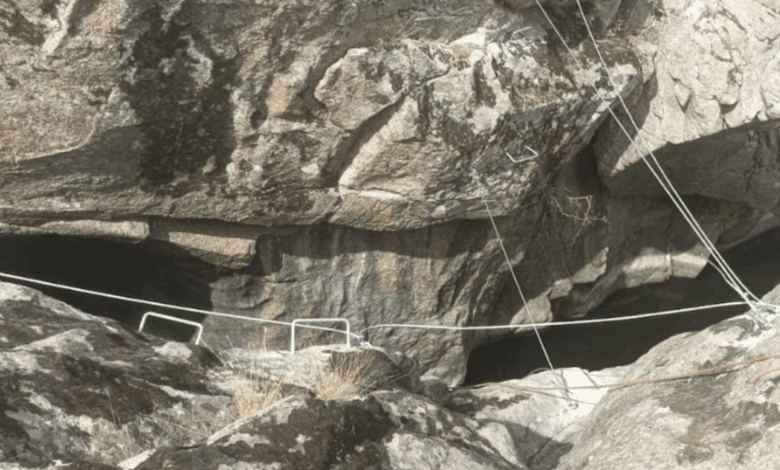
A heated debate has erupted in Toledo over the first via ferrata built on the banks of the Pusa River. The new route, designed for outdoor enthusiasts, has come under scrutiny after environmental organizations accused it of encroaching on a protected area. According to them, the project threatens a unique ecosystem and rare animal species native to the region.
The route is located in the picturesque area known as La Estrechura. Rare species such as the black stork, Spanish imperial eagle, otter, and eagle owl inhabit this area. Occasionally, the Iberian lynx can also be spotted here. All of these species are listed in the Red Book and are under special protection.
Environmentalists demand government intervention
Community organizations insist that the construction of the via ferrata violates conservation rules in the ZEC and ZEPA zones ‘Ríos de la Margen Izquierda y Berrocales del Tajo.’ Such structures are prohibited in these areas, especially within the most sensitive sites. Environmental activists argue that the permit granted for the route contradicts the approved land management plan.
Authorities in Castilla-La Mancha maintain that such projects do not require a mandatory environmental review before construction begins. However, after complaints were filed, an investigation was launched to determine whether the project complies with established regulations and respects the bans in strictly protected natural areas.
Potential consequences for the municipality
If violations are found, responsibility may fall on the administration of Santa Ana de Pusa, the municipality that commissioned the project. Currently, the site has a permit from the Tajo River Hydrographic Confederation, but a final decision on its fate will be made once all inspections are complete.
Environmentalists do not rule out taking the matter to court if their demands are ignored. They emphasize that opening the route could lead to irreversible consequences for the local ecosystem and pose safety risks for visitors during periods of flooding.
Local authorities’ stance and the future of the site
The mayor of Santa Ana de Pusa, Serafín Esteban, rejects the allegations of violations and insists that all documents related to the site comply with the law. According to him, the route has not yet been put into operation, and a decision to open it will be made only after all necessary approvals have been received.
Although the vía ferrata is officially closed, people have already been seen using the route. A warning sign prohibiting entry is posted at the entrance, but that does not deter some enthusiasts. The mayor stresses that the site remains closed solely at the municipality’s initiative, not due to any order from higher authorities.
Awaiting a decision and public response
Tensions remain high over Toledo’s first via ferrata. Environmentalists continue to call for the complete closure of the site, citing threats to rare species and violations of environmental laws. Authorities have pledged to thoroughly review all circumstances and make a decision based on environmental protection and public safety.
As the fate of the route remains uncertain, locals and tourists alike are closely following the situation. Whether Toledo can strike a balance between tourism development and the preservation of its unique natural environment remains an open question.