Madrid is known not only for its grand plazas, world-class museums, and vibrant nightlife. Spain’s capital also preserves a rich confectionery tradition that goes back centuries. Each traditional dessert carries with it a legend rooted in religious festivals, folk celebrations, and age-old customs. This is a sweet heritage well worth discovering while exploring the city.
Sacred Sweets
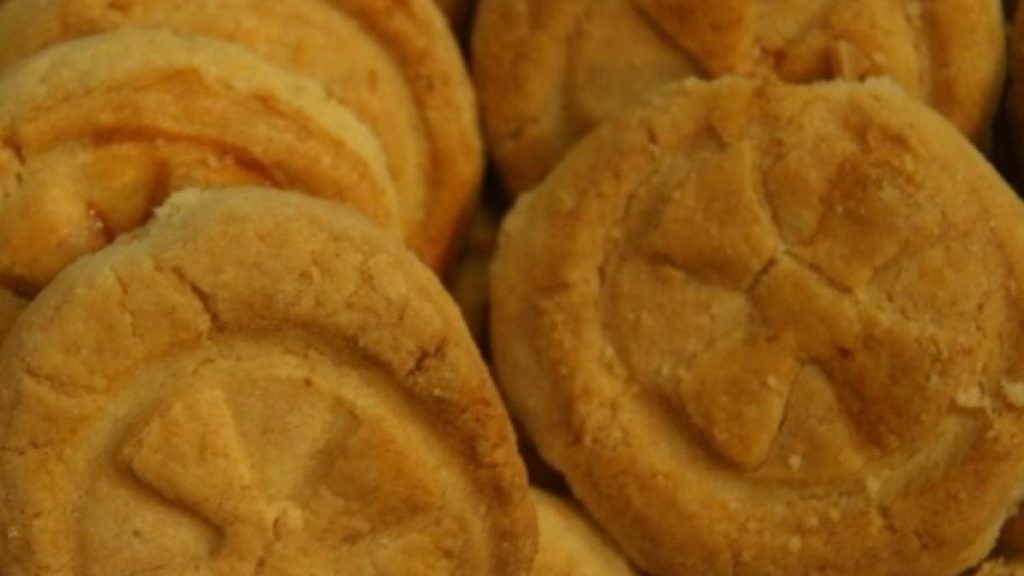
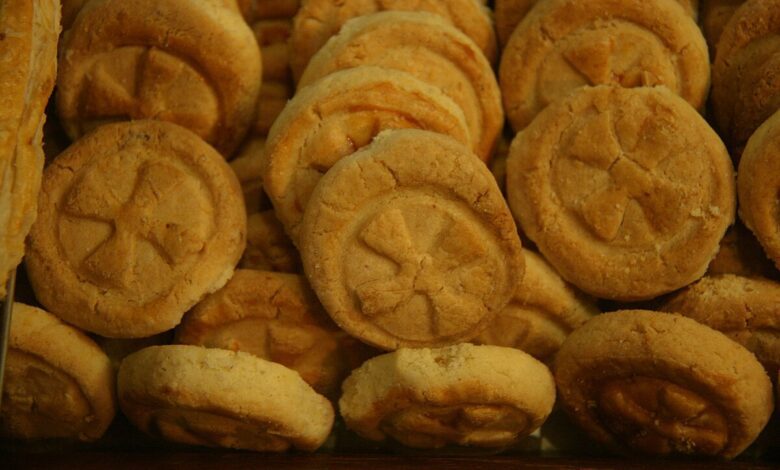
Many Madrid desserts are deeply intertwined with the church calendar. A prime example is “Panecillos de San Antón.” These small, dense, and wonderfully aromatic rolls are baked for January 17, Saint Anthony’s Day, the patron saint of animals. Tradition holds that they are blessed in church to bring health and protection to pets. The dough contains flour, sugar, milk, and often anise liqueur, lending the pastry its signature spicy aroma. Once baked, the rolls develop a golden crust and a tender, delicate crumb inside.
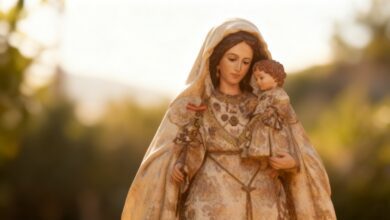
Another dessert, “Coronas de la Almudena,” is made to celebrate November 9, the feast day of the city’s patroness, the Virgen de la Almudena. This is a relatively modern treat, created in the mid-20th century at the initiative of Madrid’s bakers’ guild. It is shaped much like the traditional Christmas roscón, but stands out for its softer, brioche-like dough. The coronas are lavishly decorated with candied fruit, almonds, or sugar, symbolizing the Virgin’s crown.
And during All Saints’ Day and All Souls’ Day at the beginning of November, it’s time for “Huesos de santo,” which translates as “Saint’s bones.” Despite their spooky name, these treats are a true delicacy. They are small marzipan tubes filled with a delicate egg yolk cream. Their ribbed shape really does resemble bones, and making them requires considerable skill. Almond flour and sugar dough is rolled out into thin sheets, then wrapped into cylinders and filled with a sweet filling.
A festival of flavors
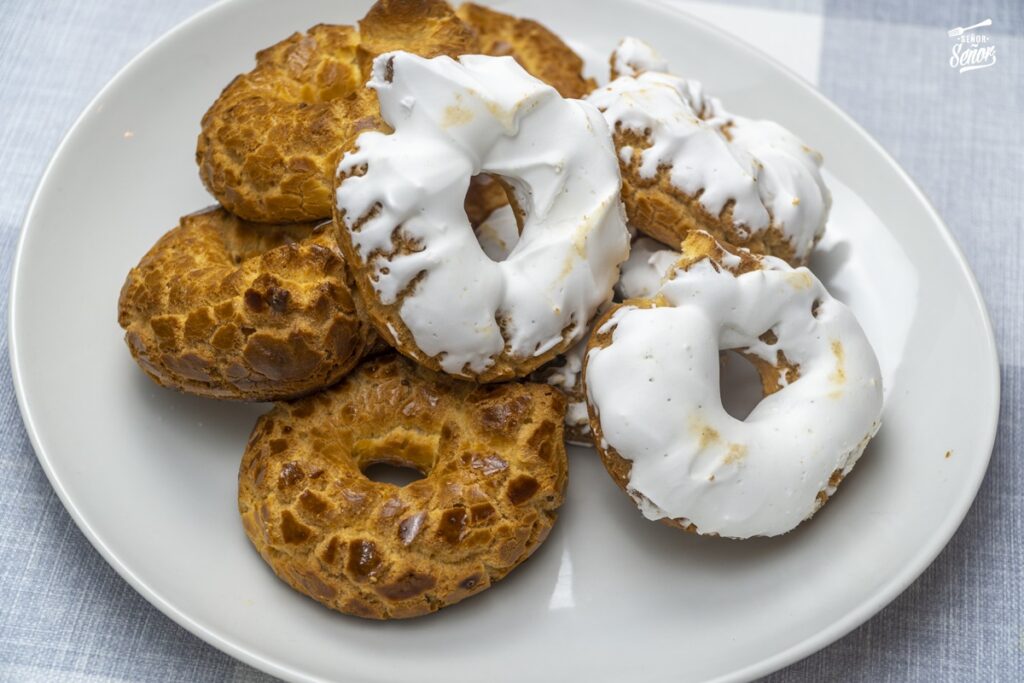
Virtually no holiday in Madrid is complete without its own special sweets. The highlight of the May festivities honoring San Isidro, the city’s patron saint, is the famous “Rosquillas de San Isidro.” In May, every pastry shop window in the city is brimming with these donuts, which come in several varieties to satisfy every taste.
There are four classic varieties. The “tontas” (“foolish”) are the simplest, with no glaze at all. The “listas” (“smart”) are topped with a glossy sugar and egg yolk glaze that gives them an appetizing yellow hue. The “Santa Clara” are decorated with a snowy dry meringue, while the “francesas” (“French-style”) are sprinkled with chopped almonds and powdered sugar. Every Madrileño has their favorite kind of these donuts.
Another dessert closely linked to the spirit of old Madrid is Bartolillos. These crispy, triangular pastries made from thin dough are stuffed with custard, deep-fried, and generously dusted with powdered sugar. Their origins date back to the city’s historic cafés and taverns, where they were served with sweet wine or anise liqueur. Today, they are considered one of Madrid’s most authentic desserts.
Everyday sweets
In addition to festive pastries, Madrid offers desserts that have become a staple of daily life. A classic Madrid breakfast or afternoon snack is unimaginable without churros or their thicker cousins, porras, accompanied by a cup of thick hot chocolate. This treat is loved by both locals and visitors alike, and can be found at numerous churrerías throughout the day.
During Holy Week (Semana Santa), torrijas take center stage. This Spanish take on French toast uses slices of bread soaked in milk or wine with spices, dipped in egg, and then fried. The finished torrijas are sprinkled with sugar and cinnamon. And at street fairs and local festivals, you can still find vendors selling barquillos — delicate, crispy wafer rolls that have become a symbol of Madrid’s verbenas.
Many of these recipes, incidentally, were preserved and perfected over centuries within the walls of monasteries and convents, which played a key role in maintaining Spain’s pastry traditions. The nuns were skilled at crafting sweets from almonds, honey, and eggs—the main ingredients of Spanish desserts. Thanks to their efforts, many historic confections have survived to this day, becoming an integral part of the cultural and culinary heritage not only of Madrid, but of the entire country.