The death of a snowplow driver in the mountains of Ávila has sent a stark warning to everyone dealing with extreme weather conditions in Spain. This incident once again highlighted the risks faced daily by road service workers, especially during periods of sudden climate change and threats of natural disasters. The aftermath of the tragedy affected not only the local community, but also sparked discussions about safety measures on hazardous road sections.
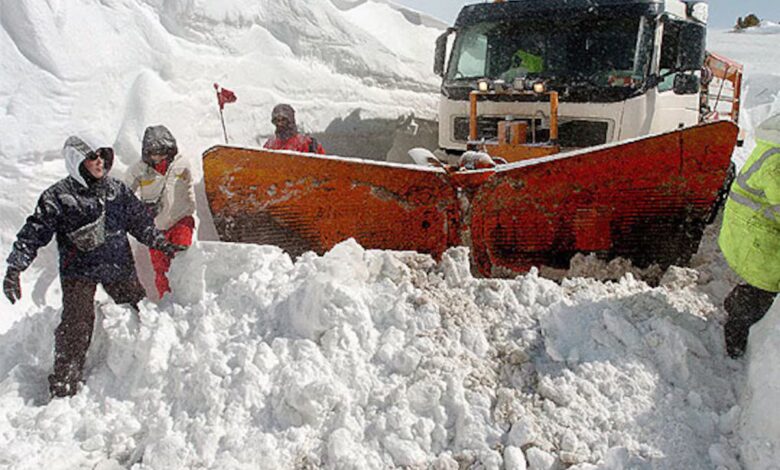
On Saturday afternoon, around 16:10, at the 56th kilometer of the N-502 highway passing through El Pico pass, a snowplow veered off a twenty-meter slope. The incident occurred in the municipality of Villarejo del Valle, where the machine, clearing the road, suddenly lost stability and plunged into a ravine. The driver, a man about forty years old, became trapped inside the cabin, significantly complicating the rescue operation.
Rescue operation
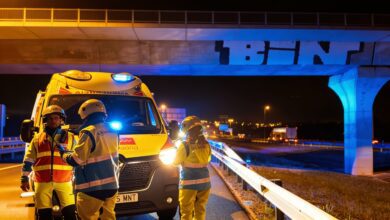
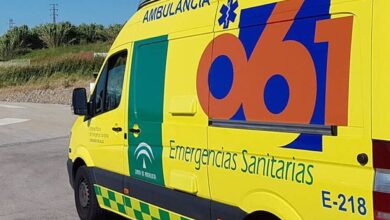
Immediately after the incident was reported, all available forces were dispatched to the scene: rescuers, civil protection volunteers from the neighboring towns of Mombeltrán and Cuevas del Valle, officers of the Guardia Civil, firefighters from Ávila, and medical teams. A mobile intensive care unit and a basic life support vehicle also arrived. However, despite the quick response, weather conditions and the difficult terrain prevented rescuers from reaching the victim swiftly.
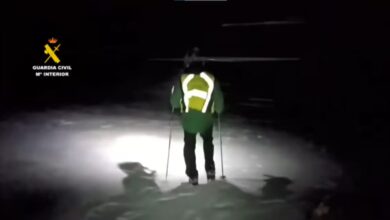
As a result, rescuers confirmed the driver’s death at the scene. The Reserve and Security Group (GRS), called in to support the operation, was unable to reach the accident due to worsening weather. Heavy snowfall and the risk of further landslides made access to the edge of the ravine almost impossible, even for trained specialists.
Weather threats
The situation was complicated by the fact that, the day before, the authorities in Castilla y León declared the first level of emergency according to the civil protection plan due to the threat of flooding. The region had already seen heavy rainfall, and meteorologists warned of possible snowfall up to 20 centimeters. Such conditions create additional risks for everyone forced to work on the roads, especially in mountainous areas.
In recent days, emergency services have been operating in enhanced mode to minimize the impact of bad weather. However, the tragedy at the El Pico pass showed that even the most prepared teams cannot always overcome the power of nature. Snowplow drivers, along with other road workers, are on the front lines in the fight against the weather, often risking their lives.
Response and consequences
The driver’s death sparked a wave of sympathy and discussion among local residents. Many note that such incidents are becoming increasingly common amid climate change and the rise in extreme weather events. Regional authorities have already stated the need to review safety protocols and provide additional training for personnel working in hazardous conditions.
Reflecting on recent incidents, it is worth noting that tragedies like this are not uncommon in Spain. Last year, several road service workers were also injured in the northern provinces while dealing with the aftermath of snowstorms and floods. Each case raises questions about the adequacy of protection measures and the technical equipment of specialized machinery.
Related incidents
Against the backdrop of this tragedy, attention should also be paid to other recent incidents involving emergency services. For example, RUSSPAIN.COM previously reported on a railway disaster in Adamuz, where a train worker with a head injury was the first to report the incident, and the train driver died at the scene. Such stories underscore the importance of quick response and coordinated action during emergencies. More details about this incident can be found in the article railway accident.
In recent years, Spain has faced a growing number of accidents linked to extreme weather conditions. In 2025, several snow plows in Asturias and Cantabria were also involved in accidents due to heavy snowfall and icy roads. In some cases, rescue operations were delayed because of impassable terrain and lack of communication. These incidents highlight the ongoing need to improve safety protocols and enhance emergency services’ preparedness for challenging conditions.