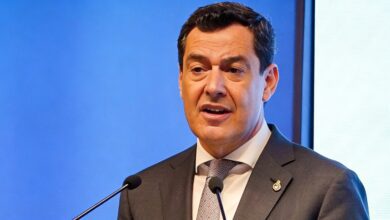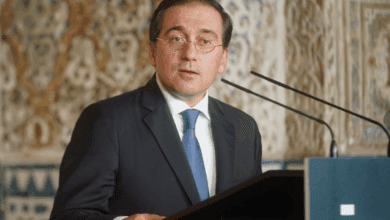
Spain’s Supreme Court is nearing a verdict in a case that has kept politicians and the public on edge for months. In the defendant’s seat is the country’s chief prosecutor, Álvaro García Ortiz, who stands accused of disclosing classified information. Over three days of hearings, both sides are expected to make their final arguments, while the judges prepare to deliver a decision that could dramatically reshape Spain’s political landscape.
Deleted data and disputed conclusions
A pivotal moment in the trial centers on the deletion of information from the defendant’s electronic devices. Investigators believe the prosecutor deliberately erased messages and files from his phones and computers to hinder the inquiry. This action formed the basis for opening the case and sending it to court. García Ortiz, for his part, says he regularly deletes data in order to protect the confidential information he handles. One judge even questioned whether such actions really prove guilt, noting that regularly deleting data is common practice among officials with access to sensitive materials.
The hearings revealed that since his appointment in 2020, the prosecutor has changed six mobile phones. This week, data protection specialists and representatives from UCO—a division of the Civil Guard responsible for technical expertise—will testify in court. According to their version, on the day the Supreme Court opened its investigation, messages in messengers were deleted from García Ortiz’s devices. The defense insists it is impossible to determine which data specifically disappeared and whether it was relevant to the case.
Disagreements between the defense and UCO
The parties interpret the experts’ findings differently. UCO claims the prosecutor played a key role in the information leak, although there is no direct evidence of this. Special attention is paid to the timing: the lawyer’s letter admitting a tax violation was sent to the prosecutor late in the evening, and just a few minutes later the news appeared on a major radio station’s website. The defense counters that the information was already aired even earlier, making any link between the prosecutor’s actions and the publication unclear.
A key moment will be the questioning of the journalist who first published details of the case. He claims he accessed the lawyer’s letter at an office in Madrid earlier that day but did not take the document with him, only made notes. The prosecution’s attorneys intend to cast doubt on the credibility of his statements and determine why several hours passed between obtaining the information and publishing it. A similar situation came up last week, when another journalist said he had the letter in advance but could not publish it without his source’s permission.
Testimony from journalists and final arguments
In the final stage of the trial, the court will also hear from several other members of the media who provided correspondence confirming their interest in the case before the prosecutor began his investigation. However, this evidence was not taken into account during the preliminary inquiry.
In the coming days, the judges will have to assess how convincing each side’s arguments are and whether there are grounds to consider the prosecutor’s actions criminal. The final decision could set a precedent for Spain’s entire justice system and affect the relationship between the judiciary and the executive.