Two tragic incidents have been reported in Spain’s capital region: newborns have died in separate areas of Madrid (Madrid) and its surroundings after being born outside of medical facilities. Both events occurred on the same day, sparking a strong reaction among residents and within the medical community. Parents had planned for peaceful home births, but things did not go as expected.
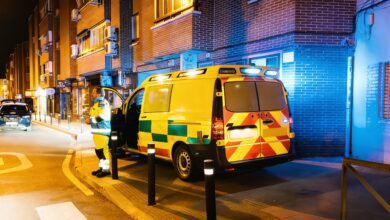
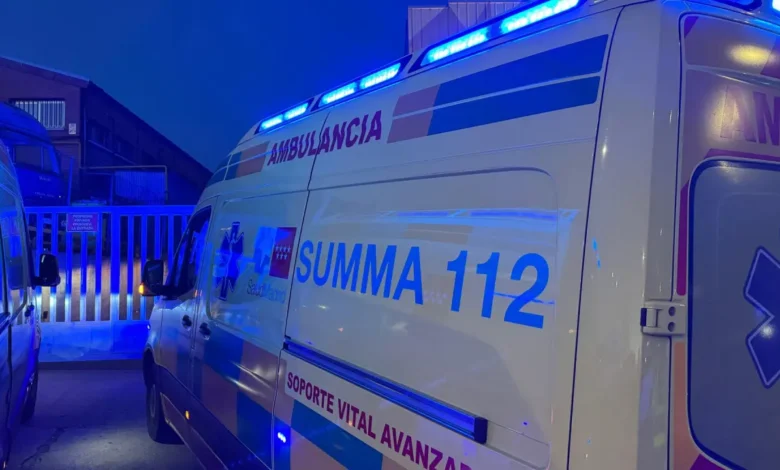
In one case, in the Ciudad Lineal district (Ciudad Lineal), emergency services were called after the mother experienced complications. The baby was in a breech position, and despite the rapid arrival of paramedics, they were unable to save the child. In another episode, in Colmenar Viejo (Colmenar Viejo), the family also planned a home birth. When the situation spiraled out of control, relatives sought help, but by then, the baby was already in cardiac arrest. Resuscitation efforts were unsuccessful.
Risks of Home Birth
In Spain, out-of-hospital births remain rare, but the number of women considering this option is gradually increasing. Those who choose home births are often motivated by a desire for a more intimate environment and to avoid medical interventions. Nevertheless, experts emphasize that even with low-risk pregnancies, circumstances can change in a matter of minutes.
Medical organizations emphasize that in cases of complications, every minute counts. At home, it’s impossible to provide the same level of emergency care as in a hospital. Cases in which the baby is in the wrong position or there is bleeding are especially dangerous. In such situations, any delay can be fatal.
Public debate
After tragedies in Madrid, debates about the safety of home births have reignited. Some believe that every woman has the right to choose where and how to give birth. Others insist that safety must come first and risks should not be underestimated. In Spain, the public health system does not cover home birth services, forcing families to turn to private midwives and specialists.
Experts advise: if you decide on a home birth, make sure qualified medical professionals are present. Only this can minimize the risks to both mother and child. At the first signs of complications, immediate hospitalization is essential.
Medical recommendations
International clinics and associations caution that while most home births go smoothly, statistics show a higher risk of complications and mortality compared to hospital births. This is especially true when the pregnancy was not initially assessed as low-risk.
Doctors emphasize that, even with careful preparation, unforeseen situations cannot be completely ruled out. Therefore, they recommend discussing all possible scenarios with the obstetrician in advance and preparing an emergency action plan, including quick access to medical care.