The decision by the UCO (Unidad Central Operativa) regarding the allocation of state aid to Air Europa has become a key issue for the Spanish public. The question of transparency and fairness in the distribution of public funds always sparks intense debate, especially when individuals connected to the highest levels of power are involved. This time, attention is focused on the wife of the head of government, adding extra tension and political resonance to the situation.
According to the official statement, the UCO did not find any new circumstances that could affect the course of the investigation into the allocation of €475 million in financial support to Air Europa. This conclusion was submitted to the Madrid court, where proceedings continue in the case involving Begoña Gómez. As a result, for now, there are no grounds for bringing new charges or expanding the investigation against Pedro Sánchez’s wife.
UCO’s position and the court’s response
In December of last year, Judge Juan Carlos Peinado requested additional information from the UCO regarding any possible new facts related to Air Europa’s aid package. This was prompted by a lawyer not directly involved in the case, who tried to link Begoña Gómez to the process of allocating government support to the airline. However, as noted in the UCO report, all existing data had already been presented within the current investigation, and no new evidence capable of changing the course of the case was identified.
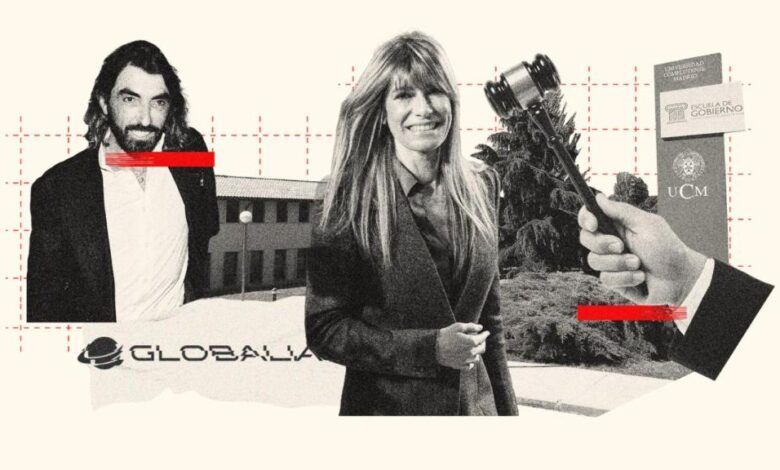
In response to the court’s inquiry, Air Europa representatives also publicly denied any suggestion that the Prime Minister’s spouse had any influence on decision-making or acted as an intermediary in the company’s interests. The airline is part of the Globalia holding owned by the Hidalgo family and has previously stated that all procedures related to receiving state support were fully transparent.
Contracts and allegations
The case files include a contract between IE Africa Center, headed by Begoña Gómez, and the Wakalua hub, owned by Javier Hidalgo. However, the documents emphasize that the agreement was not fully implemented due to the COVID-19 pandemic, ruling out any influence on the process of allocating funds to Air Europa.
The court also received documents allegedly indicating that Begoña Gómez possesses foreign assets. However, these papers lack official signatures or stamps, and their authenticity has not been verified. The UCO notes in its report that it is impossible to confirm the reliability of this information or its relevance to the ongoing investigation.
Investigation findings and arguments
The UCO report highlights that any personal or business contacts between participants in the financial transaction and third parties, as referenced by the lawyer, cannot be verified due to the absence of credible sources. Investigators have no evidence to establish a causal connection between these contacts and the allocation of aid to Air Europa.
As a result, the UCO concludes that the submitted materials cannot be considered as new facts that could affect the course of the investigation. The court continues to analyze the available data, but at this stage, there are no grounds to expand the case.
Connection to other high-profile cases
In the context of the current investigation, it is worth recalling previous controversies in Spain surrounding major cases involving high-ranking officials. For example, RUSSPAIN.COM recently provided an in-depth analysis of a case where a judge refused to reopen proceedings against María Dolores de Cospedal, despite opposition pressure. That court decision provoked a strong public reaction and raised questions about the transparency of judicial processes. For more on how that story developed, see the article at this link.
Context and latest developments
In recent years, Spain has repeatedly faced high-profile investigations related to the allocation of public funds and the involvement of prominent figures in these processes. Such cases often become a topic of public debate and raise questions about the transparency and independence of the judicial system. Take, for example, the recent proceedings regarding the distribution of anti-crisis funds during the pandemic, when both officials and business representatives came under suspicion. Each of these incidents highlights the importance of strict oversight and transparency in the use of state resources, as well as the need for thorough scrutiny of all allegations and suspicions.