A scandal involving government contracts has once again come to the forefront of Spanish public attention. The issue arose after reports that the former head of the road authority received a substantial money transfer from a construction company previously awarded a major public contract. This situation raises questions about transparency and oversight in the allocation of budget funds, a matter of particular importance to Spaniards amid recent debates on the effectiveness of public administration.
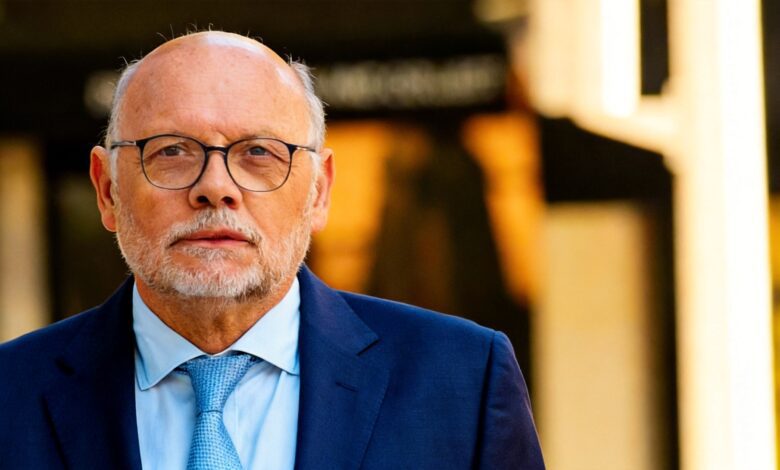
According to EL ESPAÑOL, former Carreteras director Javier Herrero received €25,000 from a construction firm that won a contract worth over €92 million. This transfer raises suspicions about possible secret agreements between officials and contractors, potentially leading to new investigations and stricter oversight of public procurement.
Transfer details
The amount received by the former official is small compared to the scale of the contract, yet the very fact that the payment came from a company awarded such a large contract has raised concerns among experts and the public. In these cases, it is not just the size of the payment but also its origin and timing—whether the transfer occurred before or after the contract was signed—that draw attention. In Spain, such incidents often spark debates about the need to reform the system for monitoring public spending.
In recent years, questions have repeatedly arisen in the country regarding the transparency of budget fund allocation. According to russpain.com, such incidents may negatively impact public trust in state institutions and lead to stricter legislation in the field of public procurement. Recalling recent events related to payments made to relatives of high-ranking officials, it becomes clear that the public demand for transparency continues to grow.
Reaction and consequences
News about the €25,000 transfer has already sparked a wave of discussion among politicians and civil society representatives. Many are calling for an immediate investigation and full disclosure of all details regarding the deal between the agency and the construction company. It’s important to note that such cases are not isolated: similar situations have previously been reported in Spain, where significant sums were transferred to accounts of former or current officials after large contracts were signed.
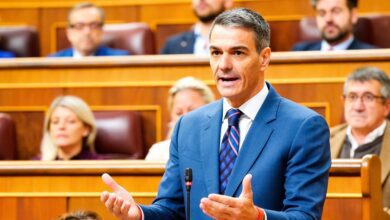
In the context of this scandal, another high-profile case comes to mind, when the brother of the head of government received large budget payments from Badajoz over several years of work. More details can be found in the article about payments made to the prime minister’s relative. Both cases highlight the need to revise control and transparency mechanisms in the distribution of public funds.
Context and similar cases
In recent years, Spain has faced a series of scandals involving payments to officials and their relatives following major government contracts. In 2025, the public actively discussed a case in the healthcare sector, when after a medical equipment tender, large sums were transferred to the accounts of former ministry employees. Earlier, in 2024, attention was drawn to infrastructure contracts in Andalusia, where suspicious transfers were also identified.
Each of these cases has led to new investigations and debates over the need for reforms. As a result, oversight of government procurement has increased, and transparency requirements for transactions have become more stringent. However, despite tougher regulations, such situations continue to arise, highlighting the need for further changes to the oversight and reporting system.