The attempted coup d’état in Spain in February 1981 continues to spark debates and discussions. The actions of Antonio Tejero, an officer of the Guardia Civil, became a symbol of a decisive turning point for the country. These events influenced the political system, attitudes toward authority, and even the perception of democracy within Spanish society.
The storming of Congress
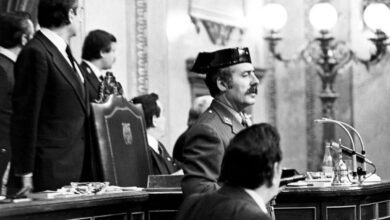
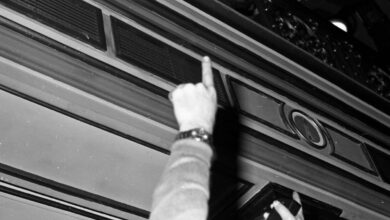
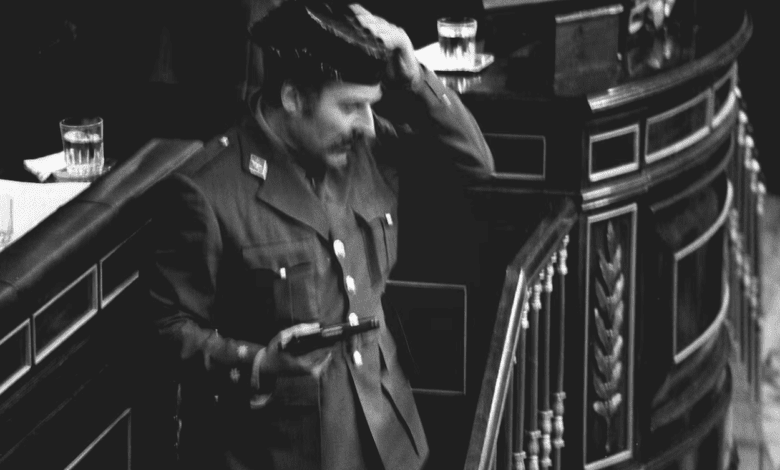
On February 23, 1981, one of the most dramatic episodes in Spain’s modern history unfolded in Madrid (Madrid). During a vote for the new head of government, the armed Tejero burst into the Congress chamber. His entrance, pistol in hand, shocked both deputies and the entire nation. Scenes from the chamber, where the officer issued orders and demanded compliance, instantly flooded the Spanish media. As reported by El Pais, this became a pivotal moment that marked the beginning of profound changes in the country.
Tejero was not alone that day—other officers acted with him, supporting the attempt to seize power. However, the plan ultimately failed, and the consequences for those involved were severe. Just hours after the takeover began, it became clear: the country was not ready to return to dictatorship. Spanish society chose the path of democracy, despite fear and uncertainty.
Trial and consequences
After the failed coup, Tejero found himself in the dock. His name was already known from another high-profile case—“Operación Galaxia”—for participating in another attempted power grab in 1978. Back then, his punishment was lenient: just a few months of house arrest. But following the events of February 23, 1981, the court handed down a much harsher sentence—30 years in prison.
In May 1982, when court hearings on the coup concluded, Tejero and other officers faced photographers. In one iconic photo, he is seated in the front row among the convicted, symbolizing the defeat of military ambitions. Despite his sentence, by 1993 Tejero was granted partial release and left prison.
Life after prison
After his release, Tejero did not fade into obscurity. In 1982, despite his conviction, he attempted a political comeback, heading an ultra-right party list in Madrid elections. Campaign posters featuring his portrait became a reminder of how quickly Spain’s political landscape was shifting. However, he failed to win the support of voters.
In the years that followed, Tejero appeared in public in various capacities. In 1989, his son, who became a priest, gave communion to his father at his first mass. Tejero was later seen at the funeral of Carmen Franco, daughter of the former dictator, and at protests against the exhumation of Franco’s remains in 2019. These episodes show that Tejero’s figure continues to spark interest and controversy in Spanish society.
Memory and controversy
The image of Tejero remains one of the most controversial in Spain’s history. His actions divided society between those who see him as a symbol of resistance to change and those who view him as a threat to democracy. Even decades after the events of February 23, 1981, the debate over the military’s role in politics persists. Reflecting on these events, many compare them to recent instances where political disagreements have led to the boycott of state events. For example, in the case of parties refusing to participate in the monarchy’s anniversary in Congress, which also sparked heated debates about the country’s future.
In Spain, attempts to exert force on the government have always sparked widespread reaction. In recent years, the country has faced various forms of political protest—from mass demonstrations to boycotts of official ceremonies. Each such incident prompts a reassessment of the role of the military, police, and politicians in society. Looking back on the events of 1981, many note that the lessons of the past remain relevant in modern Spain.