In the heart of Ibiza, archaeologists made a sensational discovery: they unearthed a remarkably well-preserved wooden figurine dating back to the 3rd century AD. This find is a true breakthrough for researchers, as such artifacts rarely survive in the Mediterranean climate. The discovery was made during preparatory work for a new residential complex on one of the city’s main streets.
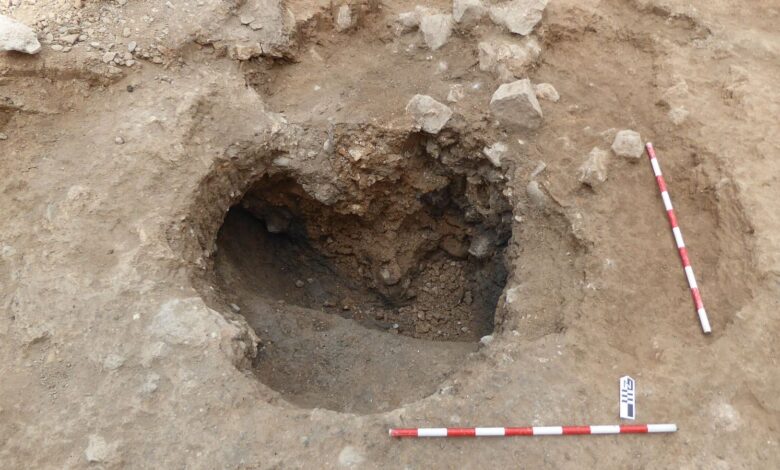
The excavation was led by experienced archaeologists who carefully examined every soil layer. At a depth of around two meters, they came across an ancient well that was later repurposed as a garbage pit. It was here that the miniature figure was found, crafted in a style typical of Greco-Roman tradition. Though just 30 centimeters tall, its detail and state of preservation impressed even the experts.
A rare find under extraordinary circumstances
The secret to its remarkable preservation lies in the unique conditions where the figurine was found. The well was filled with oxygen-starved water, creating an ideal environment for organic materials to endure. Normally, wood and leather deteriorate quickly, but here they survived almost two thousand years virtually untouched. Alongside the figurine, archaeologists also uncovered fragments of a leather sole, pieces of wood, seeds, and dried fruits—figs and pomegranates.
Each of these items holds exceptional scientific value, as organic finds from the ancient period are extremely rare on the islands. All discovered materials are now undergoing laboratory analysis to precisely determine their age and origin.
Historical Context and Significance of the Discovery
The area where the excavation took place was once part of a Roman settlement. In the Middle Ages, this territory was repurposed and became part of an Islamic city. This new discovery offers a fresh perspective on the history of Ibiza, adding important details to our understanding of life on the island through different eras.
According to experts, the wooden figurine depicts Hercules—a figure revered in both Greek and Roman cultures. Its placement in a household well may point to religious or domestic rituals related to water and fertility. Such objects could have been used as talismans or ritual offerings.
Ongoing Research and International Projects
Currently, the figurine and other finds are undergoing meticulous cleaning and conservation at the Archaeological Museum of Ibiza and Formentera. Researchers plan to include the study’s results in international projects devoted to the exploration of organic materials and ancient Mediterranean agriculture.
The discovery has already attracted interest from specialists around the world. Analysis of the wood and seeds will provide new insights into the climate, vegetation, and economic activities of the island’s inhabitants during antiquity. Archaeologists are confident that many more discoveries lie ahead, offering a deeper understanding of the Balearic Islands’ past.