A conflict is escalating in Sagunto (Valencia) that could reshape the city’s traditions and impact the status of one of Spain’s most renowned religious festivals. The decision by Cofradía de la Puríssima Sang del Nostre Senyor Jesucrist to once again bar women from participating in Holy Week has triggered a wave of discontent and mass protests. For many locals, the issue has become a symbol of the struggle for equal rights and respect for modern values.
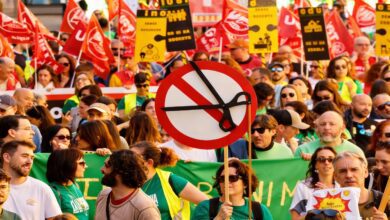
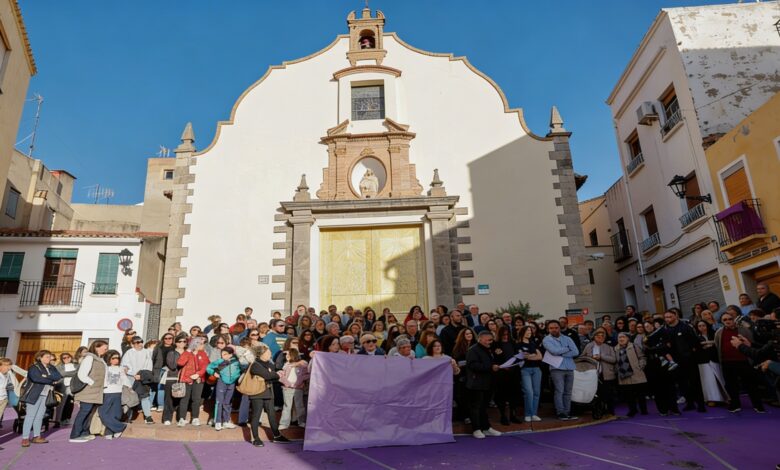
Hundreds of people, including families with children, gathered outside the Ermita de la Sang to voice their disagreement with the religious organization’s stance. Protesters held signs reading “Per tradició, per igualtat” and displayed a black ribbon as a symbol of mourning for equality. As El Pais reports, this year’s demonstrations were considerably larger than before, and the debate has spread far beyond the city’s limits.
Public and government response
Authorities have already announced plans to refer the case to the prosecutor, which could result in Semana Santa Sagunto losing its status as a Fiesta de Interés Turístico Nacional. Such a move could affect not only the city’s image but also the region’s appeal to tourists. According to El Pais, in recent years the issue of allowing women to join the procession has been debated three times, but each time the majority of Cofradía members voted against any changes.
Blanca Ribelles, spokeswoman for the Semana Santa Inclusiva movement, stressed that this is not a confrontation between genders, but a push for justice. She noted that 114 members of the brotherhood supported equality, while many others were unable to vote. In her view, the fact that in 2026 women are still barred from Cofradía is an anachronism.
Internal divisions
Disputes have flared within Cofradía itself. Some members, such as Pablo Muñoz, left the organization in protest against the policy of excluding women. He believes the celebration would be livelier and more engaging if women were granted equal rights. Others, including Albert Lluëca, remain in the brotherhood, hoping to change things from within and urging the archbishop to intervene if the organization does not revise its stance voluntarily.
The Semana Santa Inclusiva movement recalled in its statement that it has been campaigning for five years for the right to participate in the festival on equal terms. Despite repeated rejections, activists say they will not give up and promise to continue their actions until change happens. They emphasize that Semana Santa is a celebration for all residents of the city, regardless of gender.
Historical context and consequences
According to El Pais, the situation in Sagunto has become one of the most talked-about issues this spring. The issue of equality within religious traditions is not new: similar conflicts have arisen in various parts of Spain, but have rarely led to such widespread protests. An analysis by russpain.com suggests that changes to traditional festivals often spark debate, but ultimately lead to renewal and greater openness in society.
This year, Semana Santa in Sagunto faced the risk of losing its prestigious status, which could impact tourist numbers and the local economy. At the same time, for many residents, formal titles matter less than the chance to be heard and to seek justice. Notably, in other regions of Spain, there have already been cases where women won the right to take part in religious processions, though the path was not easy.
Festivals and Change
In this context, it is worth recalling that Easter Week in Spain is traditionally accompanied by changes in the opening hours of shops and institutions. For example, the holiday schedule for supermarkets during Easter 2026 has already raised questions among residents of different regions. This once again highlights how important traditions are for Spaniards and how any changes to them become a topic of public debate.
In recent years, Spain has repeatedly seen debates over women’s participation in religious and cultural events. In some cities, similar protests led to the revision of outdated rules and an expansion of women’s rights. In other cases, changes happened gradually, under public pressure and after lengthy negotiations. These developments are part of a broader trend toward updating traditions and seeking a balance between history and modern values.