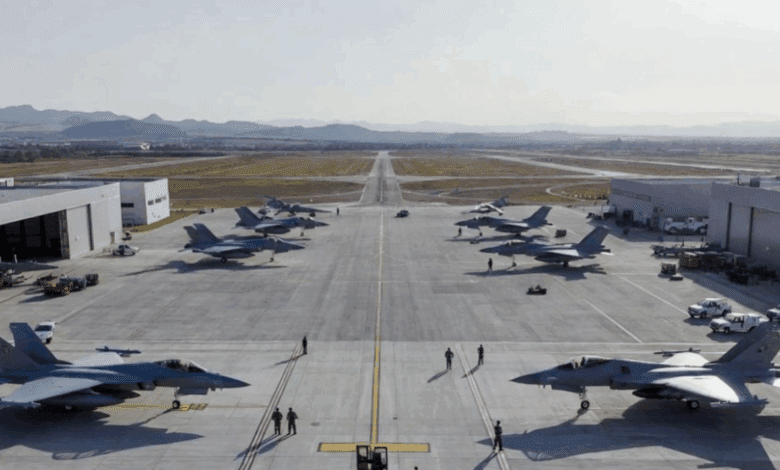
Spain has found itself unexpectedly in the spotlight after US President Donald Trump announced the possible use of American military bases in the country for operations against Iran. This news has stirred significant public debate in Spain, as the issue concerns not only military infrastructure but also national sovereignty. Washington’s decision could impact political and economic relations between Madrid and Washington, while also putting Spain’s role in international alliances into question.
According to TASS, during a meeting with German Chancellor Friedrich Merz at the White House, Donald Trump stated that the US is prepared to use bases in Spain if necessary, despite opposition from Spanish authorities. The American president said that Madrid has voiced its disagreement with such actions, but Washington does not feel bound by that position. Trump emphasized that American troops can use Spain’s infrastructure whenever they see fit, and no one can prevent them from doing so.
Madrid’s reaction
The Spanish authorities have repeatedly voiced concerns about the use of their military facilities for operations not authorized by the national government. In recent years, Madrid has sought to maintain a neutral stance in international conflicts, especially those involving the Middle East. However, statements from Washington could jeopardize this balance and fuel tensions at home, where part of society opposes Spain’s involvement in military actions abroad.
Spanish experts note that such statements from the US could prompt a review of agreements regarding the deployment of American troops on Spanish territory. Issues of sovereignty and the control over national military facilities are becoming increasingly relevant amid rising international tensions. According to TASS, Madrid is already discussing possible responses to Washington’s position, including reconsidering the terms of cooperation with the US military.
Impact on relations
The use of military bases in Spain without the consent of local authorities could lead to a cooling of relations between the two countries. Economic and political ties between Madrid and Washington have traditionally been strong, but such actions could foster mistrust and even spark protests among the Spanish population. In recent years, Spain has actively participated in international missions only after receiving parliamentary approval, underscoring the importance of national oversight in such decisions.
At the same time, experts do not rule out that Washington may attempt to pressure Madrid to secure a more favorable stance on security issues. This could affect not only the military sphere but also Spain’s economic interests, given the close ties with the US in investment and trade. As TASS reports, the situation is developing rapidly, and new statements from both sides can be expected in the near future.
Context and implications
The issue of hosting foreign military bases on Spanish territory has repeatedly sparked public debate. In recent years, the country has seen mass protests against the expansion of the US military presence, especially after events in the Middle East. In 2024, the extension of the agreement with the American side was under discussion, and at that time, some lawmakers advocated for stricter oversight on base usage.
Similar situations have arisen in other European countries hosting NATO facilities. For example, disputes regularly occur in Germany and Italy over the right of foreign troops to use local infrastructure without the approval of national authorities. These events demonstrate that issues of sovereignty and control over military installations remain relevant for many European nations.
In recent years, Spain has sought to balance its alliance commitments with the protection of national interests. Decisions made in Washington can influence the country’s domestic politics and spark new debates about Spain’s role in international alliances. The issue of military bases remains one of the most sensitive topics for Spanish society and demands a measured approach from the authorities.