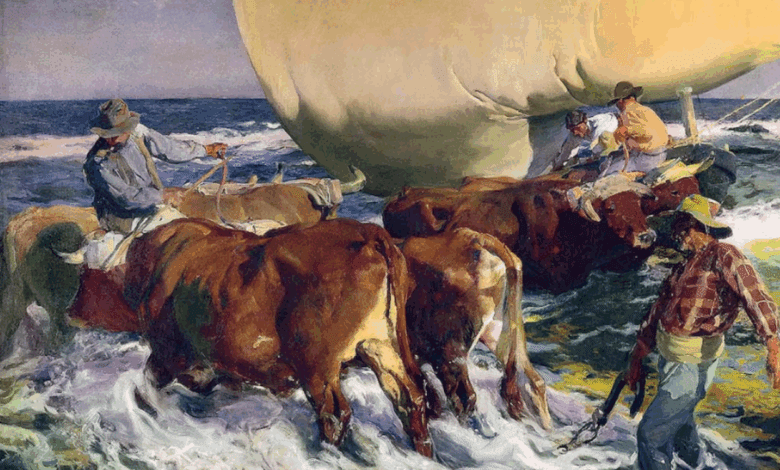
A new wave of cultural intrigue is unfolding in Valencia: the fate of Joaquín Sorolla’s famous paintings has once again come into the spotlight. City and regional authorities have joined forces to find a temporary home for this unique collection until the future museum opens in the former Palacio de las Comunicaciones. The issue goes beyond logistics—it’s about maintaining public access to a national treasure that should not disappear from view, even briefly.
On Wednesday, a meeting was held at Valencia City Hall where Generalitat President Juanfran Pérez Llorca and Mayor María José Catalá discussed the complexities of the process. Both leaders emphasized that city and regional cooperation is entering a new phase, as this concerns not only art but also Valencia’s cultural identity. The temporary display of the collection, they said, will allow residents and visitors to see Sorolla’s masterpieces before they are installed in the new museum.
A Temporary Solution
One of the main options being considered is the Museo de la Ciudad, located in the heart of Valencia. This site has hosted major exhibitions before and could now serve as a temporary home for Sorolla’s works. However, a final decision has yet to be made; other venues are still under discussion, as it is crucial not only to safeguard the collection but also to ensure it remains as accessible as possible for the public.
The situation is complicated by ongoing legal disputes surrounding the future Sorolla Museum at the Palacio de las Comunicaciones. The architectural community has filed an appeal, and as long as it is under consideration, the timeline for opening the permanent exhibition remains uncertain. Authorities are reluctant to lose time: if they wait for all procedures to conclude, the collection could remain out of public view for months, or even years.
Cultural Mission
In Valencia, the question of where to house Sorolla’s works is more than a technical issue. It’s a challenge that affects the city’s image as a cultural hub. Sorolla, a native of Valencia, has long been a symbol of the local art tradition, and his paintings are a source of pride not only for the region but for all of Spain. The temporary display of the collection will help sustain interest in the artist’s legacy and attract new visitors to the city.
Authorities emphasize that it’s important not only to preserve the paintings, but also to ensure the wider public can experience them. With the permanent museum currently unavailable, a temporary exhibition becomes a kind of cultural bridge between past and future. This approach requires flexibility, but it also creates new opportunities for dialogue between art and society.
Plans and Expectations
While officials discuss the details, the residents of Valencia and visitors to the city are eagerly awaiting news on where exactly the famous paintings will be displayed. Behind the scenes, opinions differ: some believe that temporarily exhibiting them at the City Museum is the best option, while others insist on finding a larger, more modern venue. Personally, I am convinced that the main thing is not to miss the moment and not to let the collection disappear from the city’s cultural scene.
The fate of the Sorolla Museum remains uncertain, but it is already clear that authorities are ready to act swiftly and decisively. A temporary solution may not only be a necessary measure but also mark a new stage in Valencia’s cultural development. There is hope that Sorolla’s paintings won’t be left waiting for a permanent home for long and will soon return to public view.